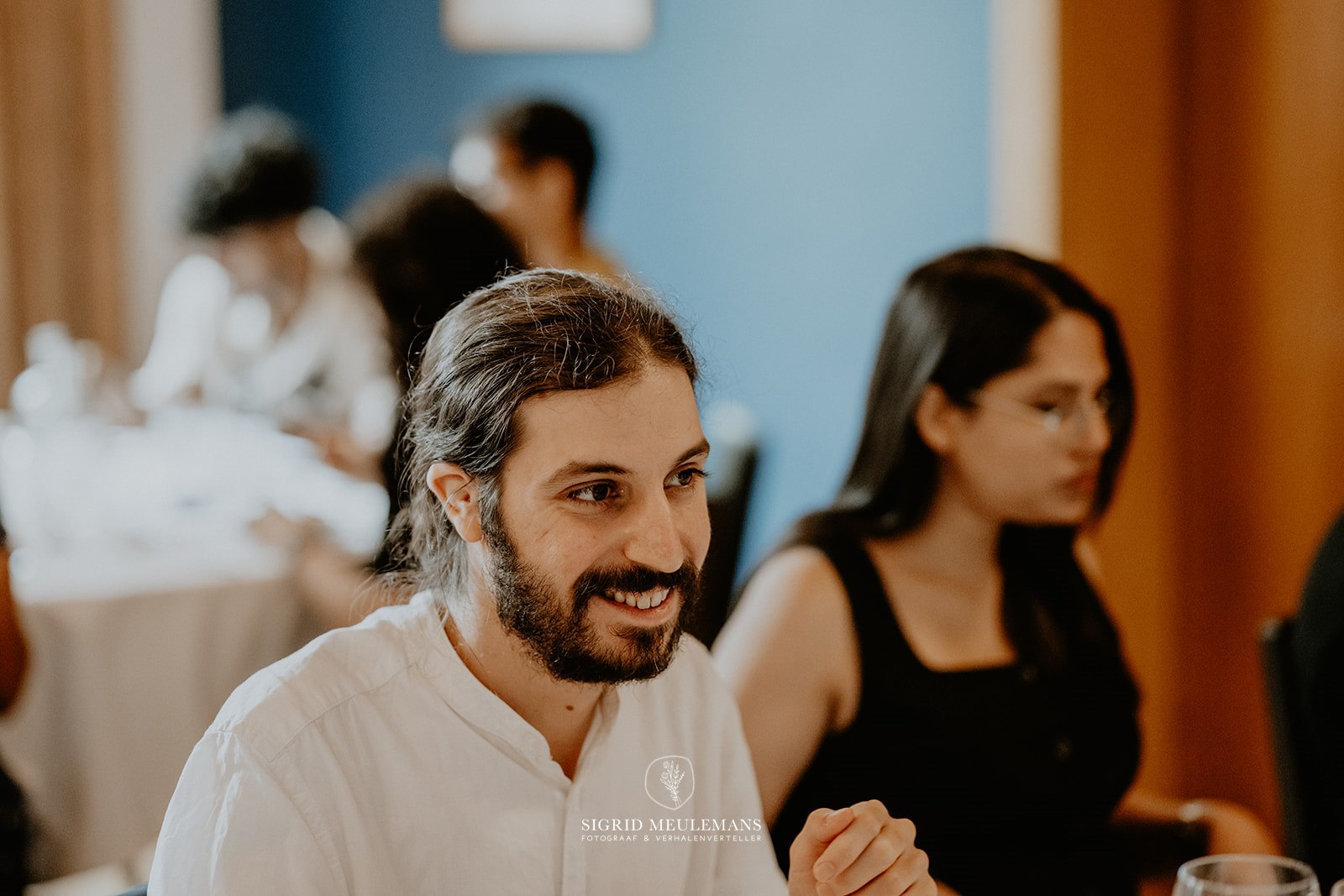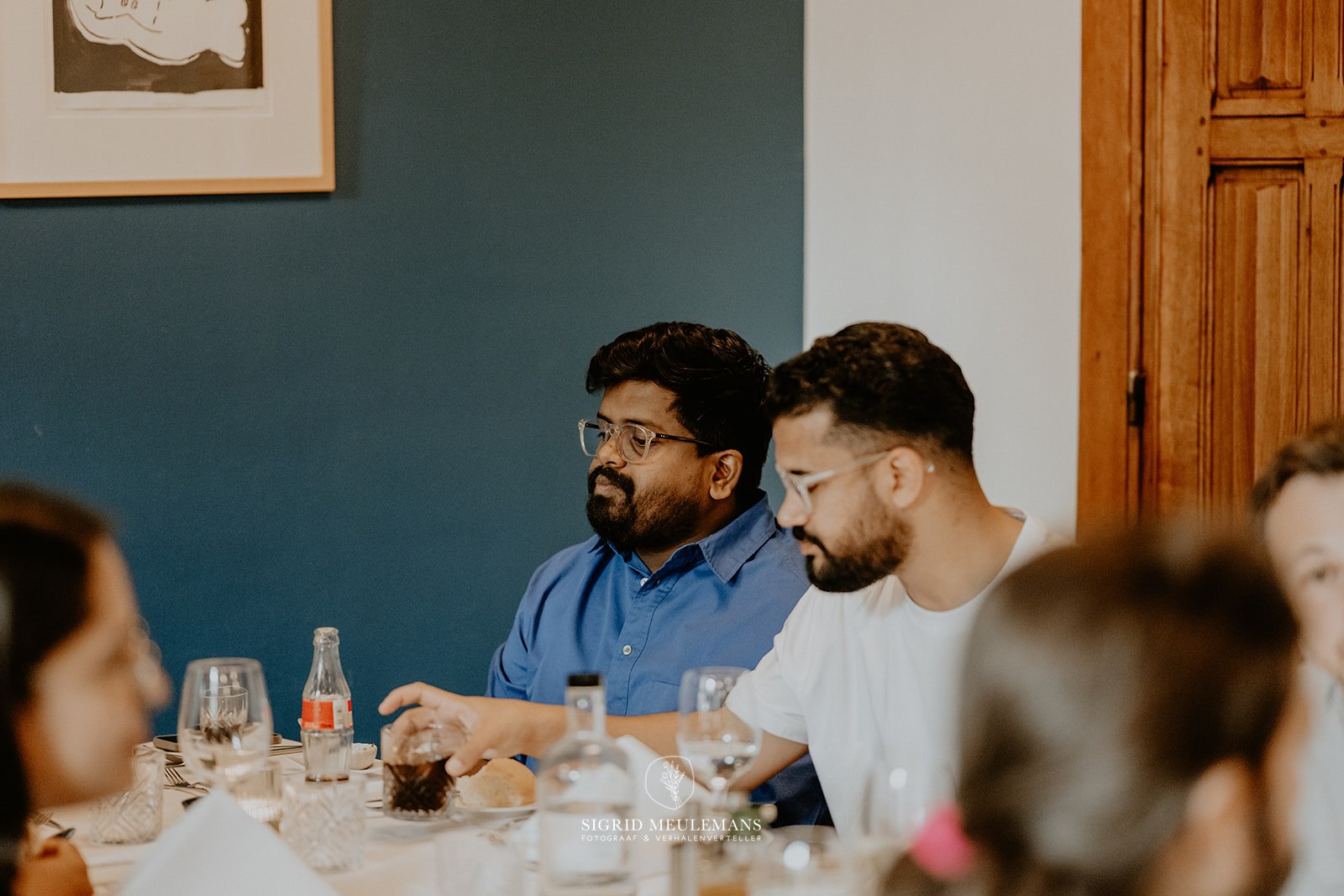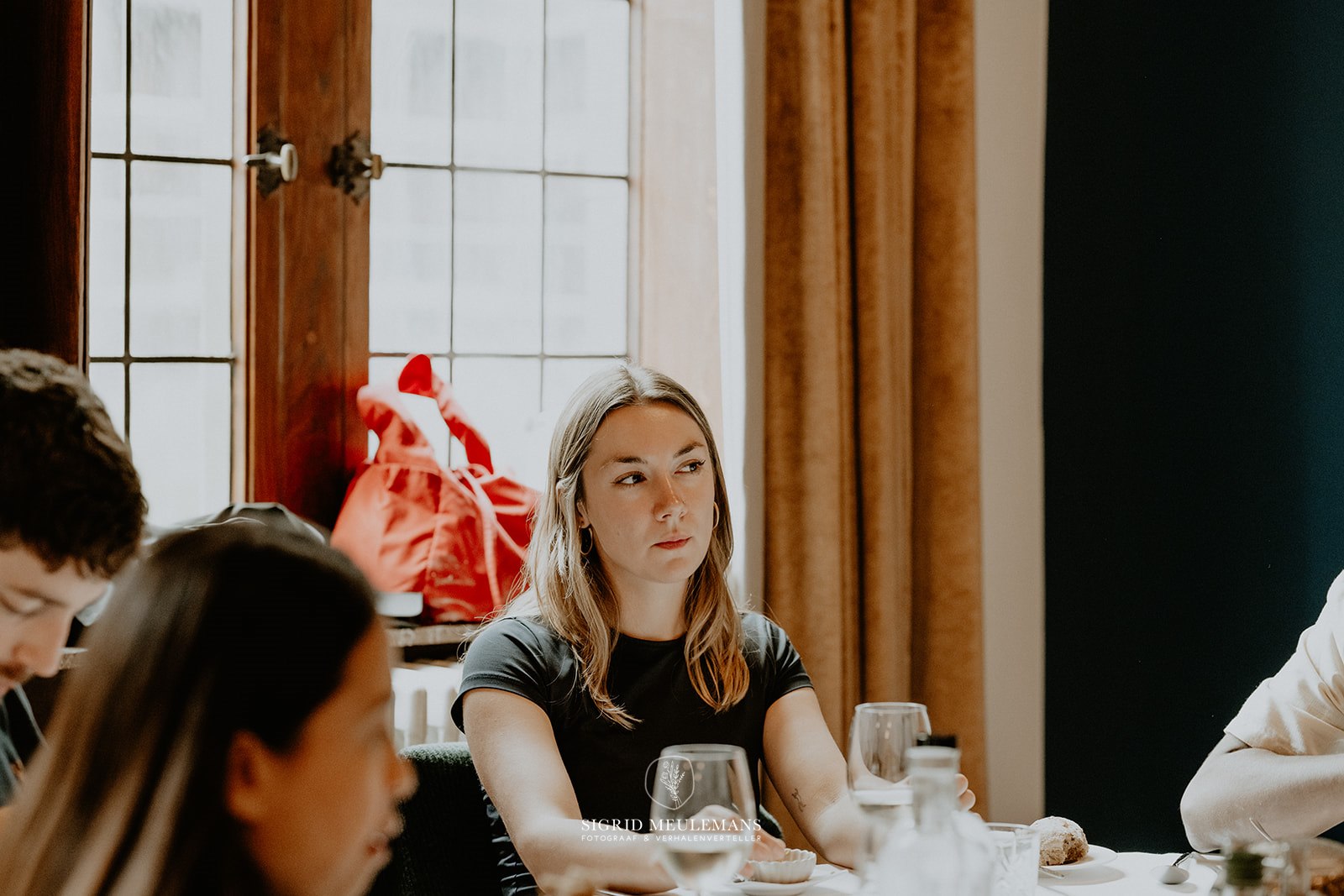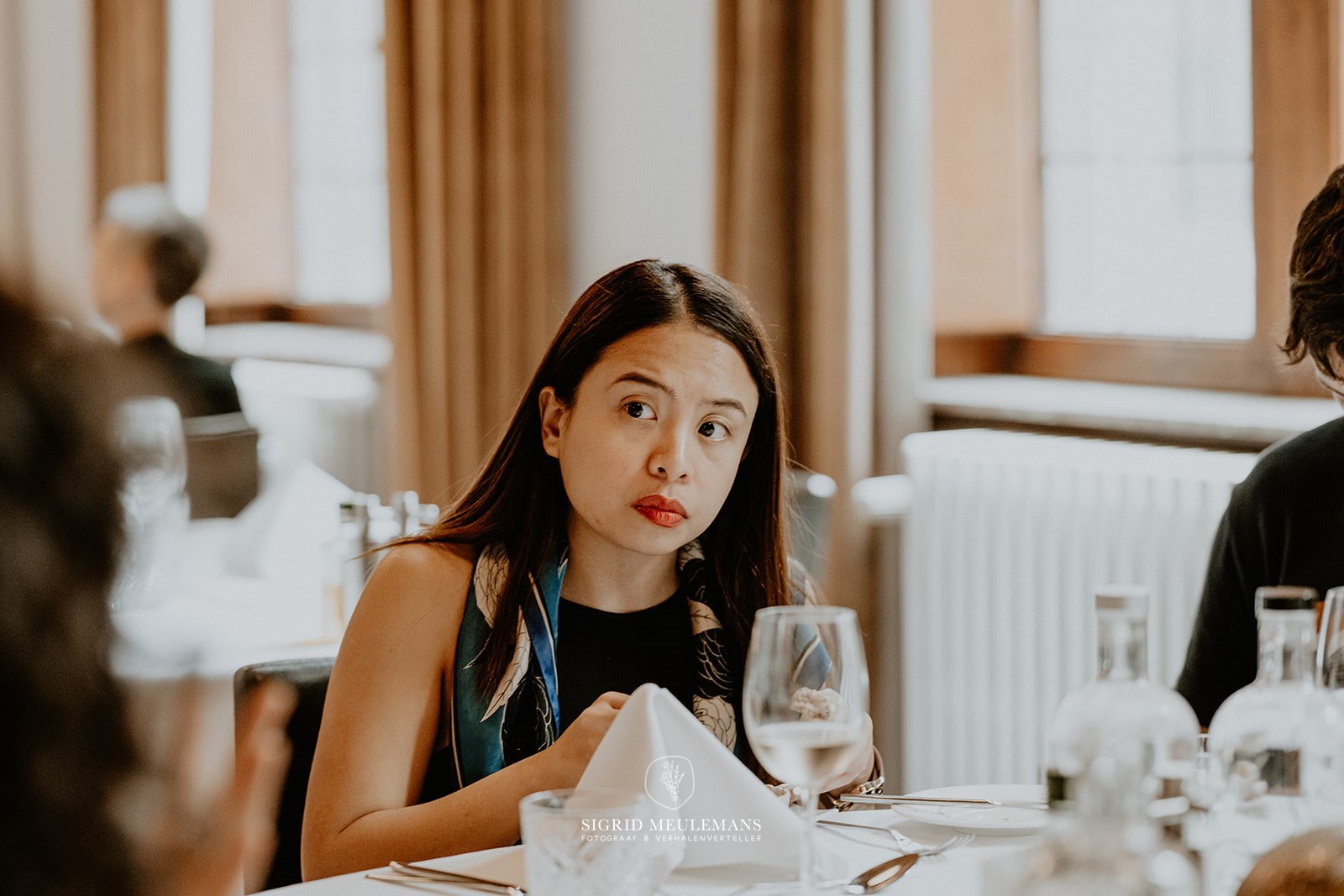
UCSIA Summer School 2025
24 – 29 August 2025
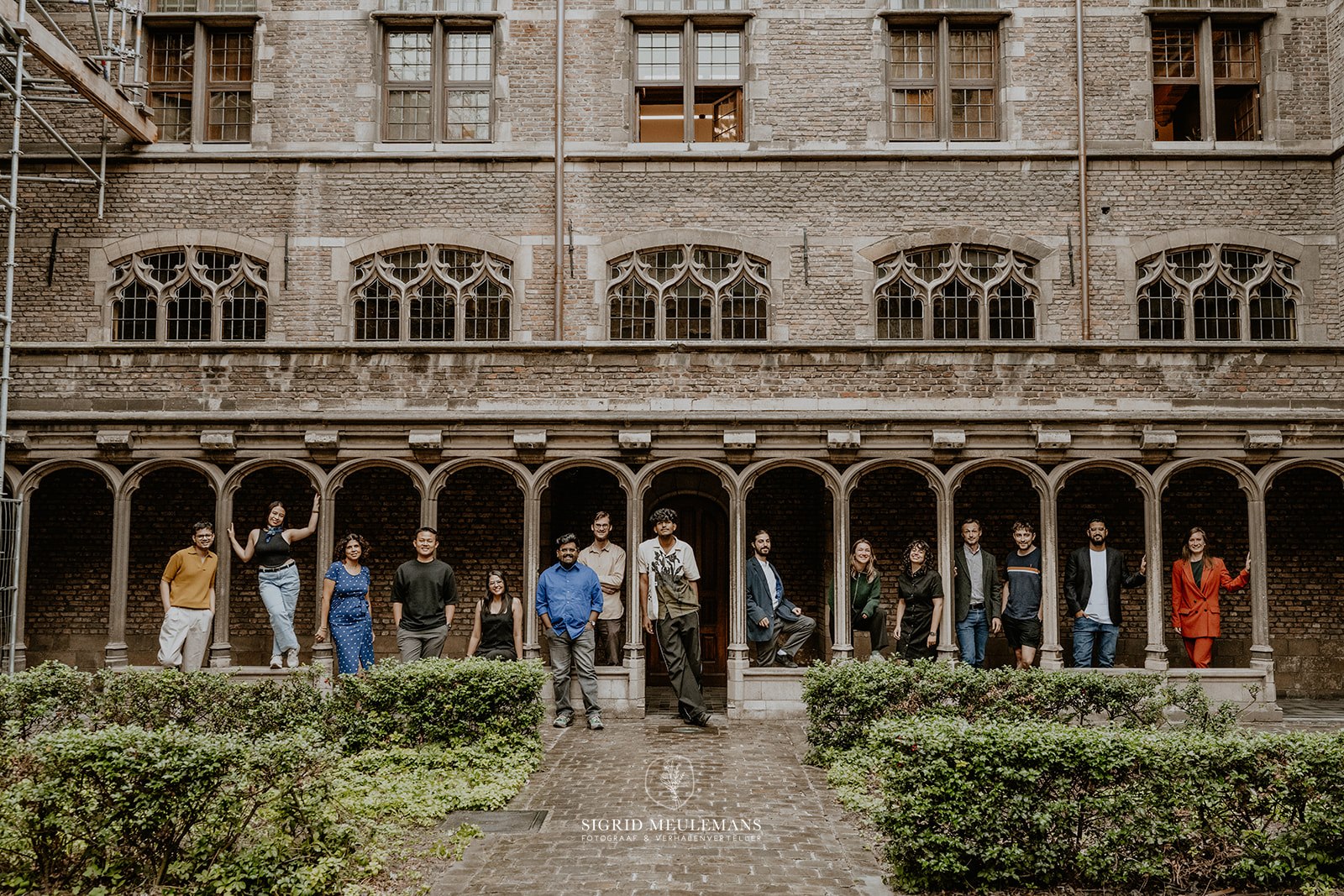
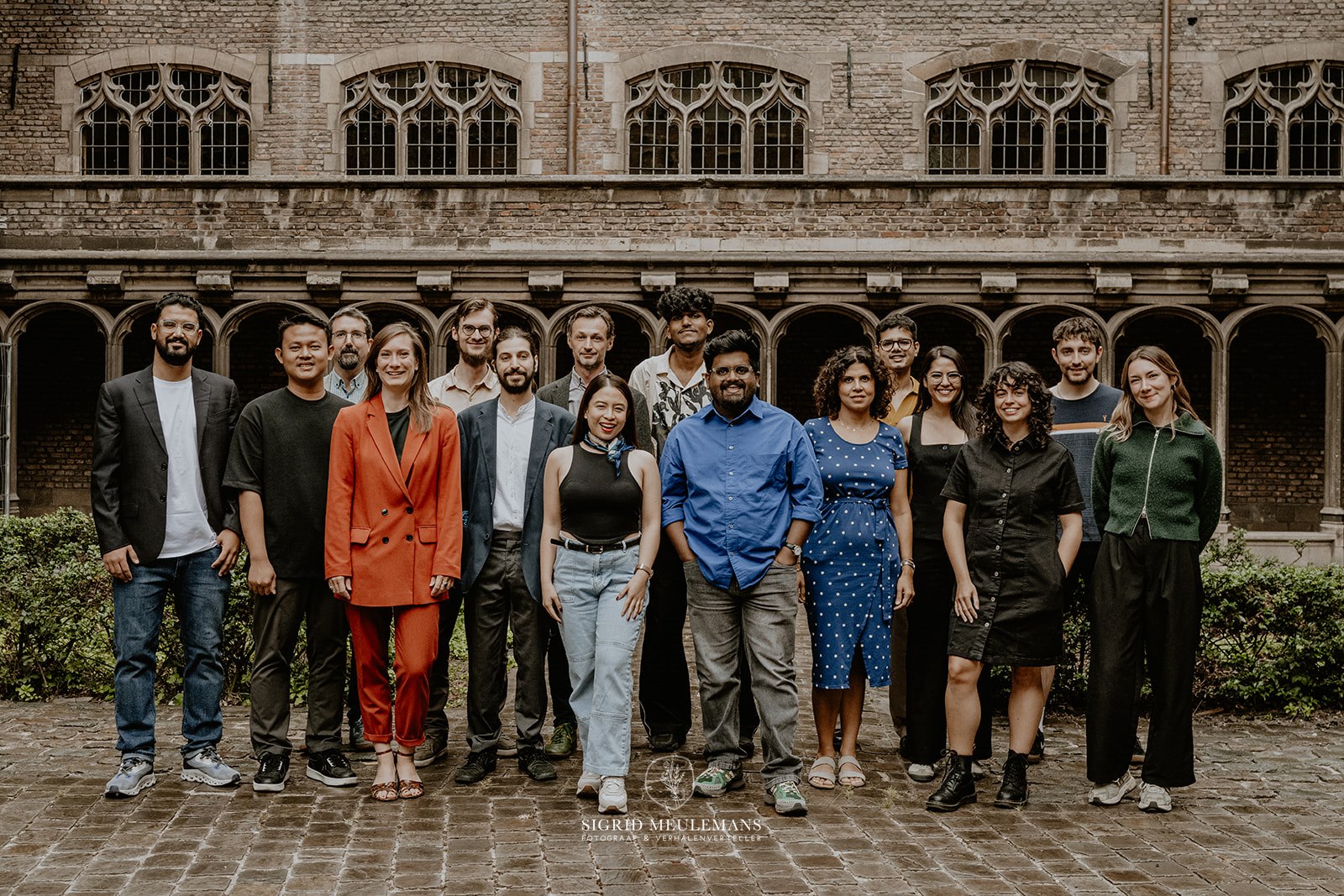
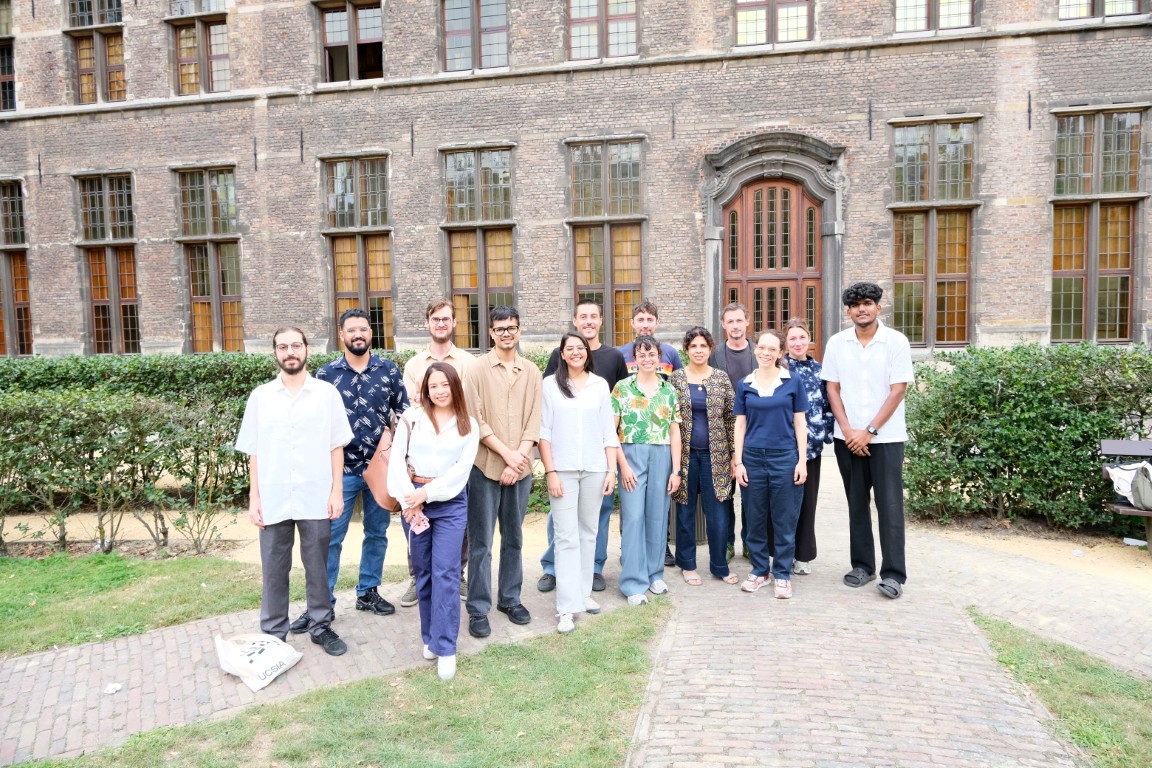
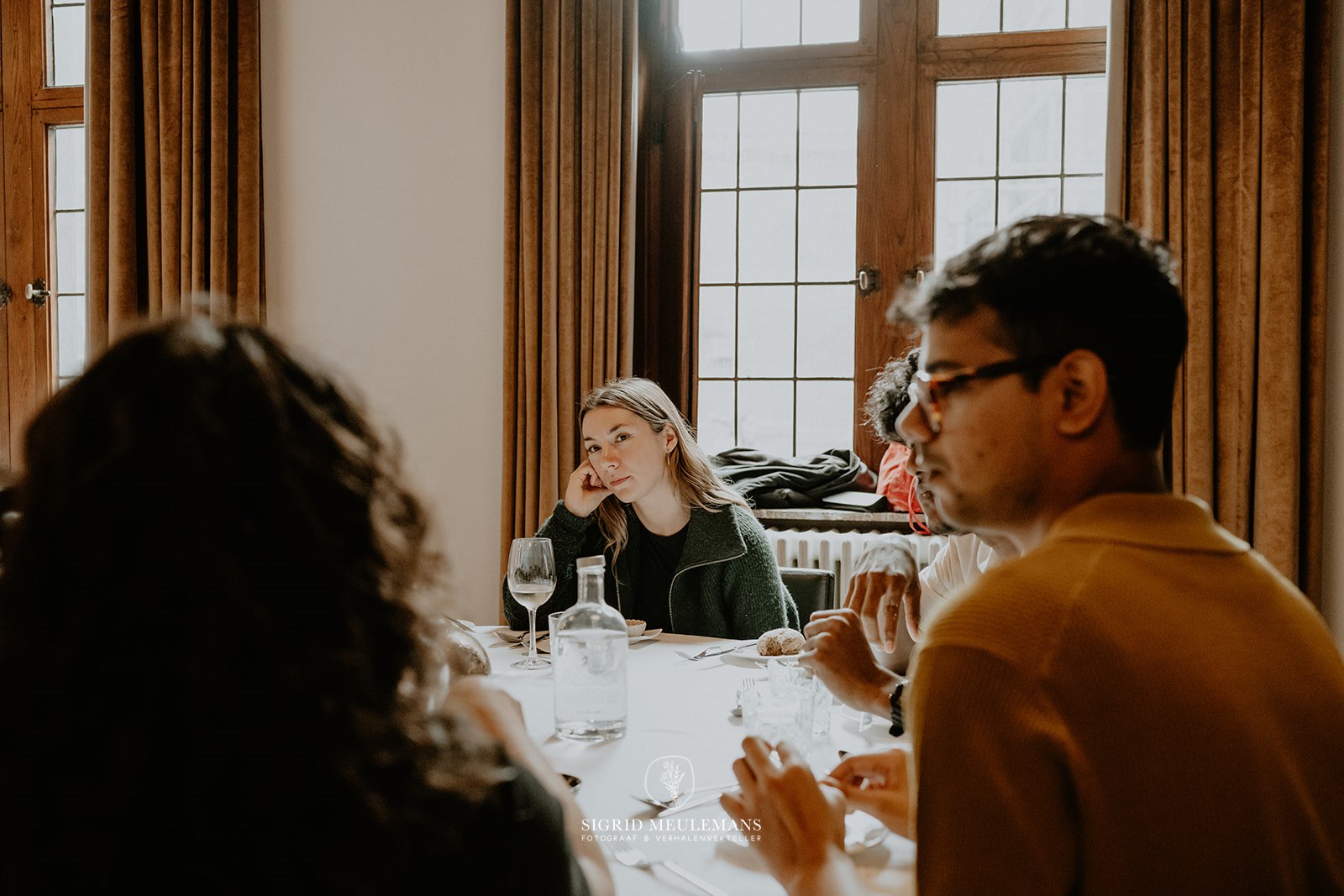
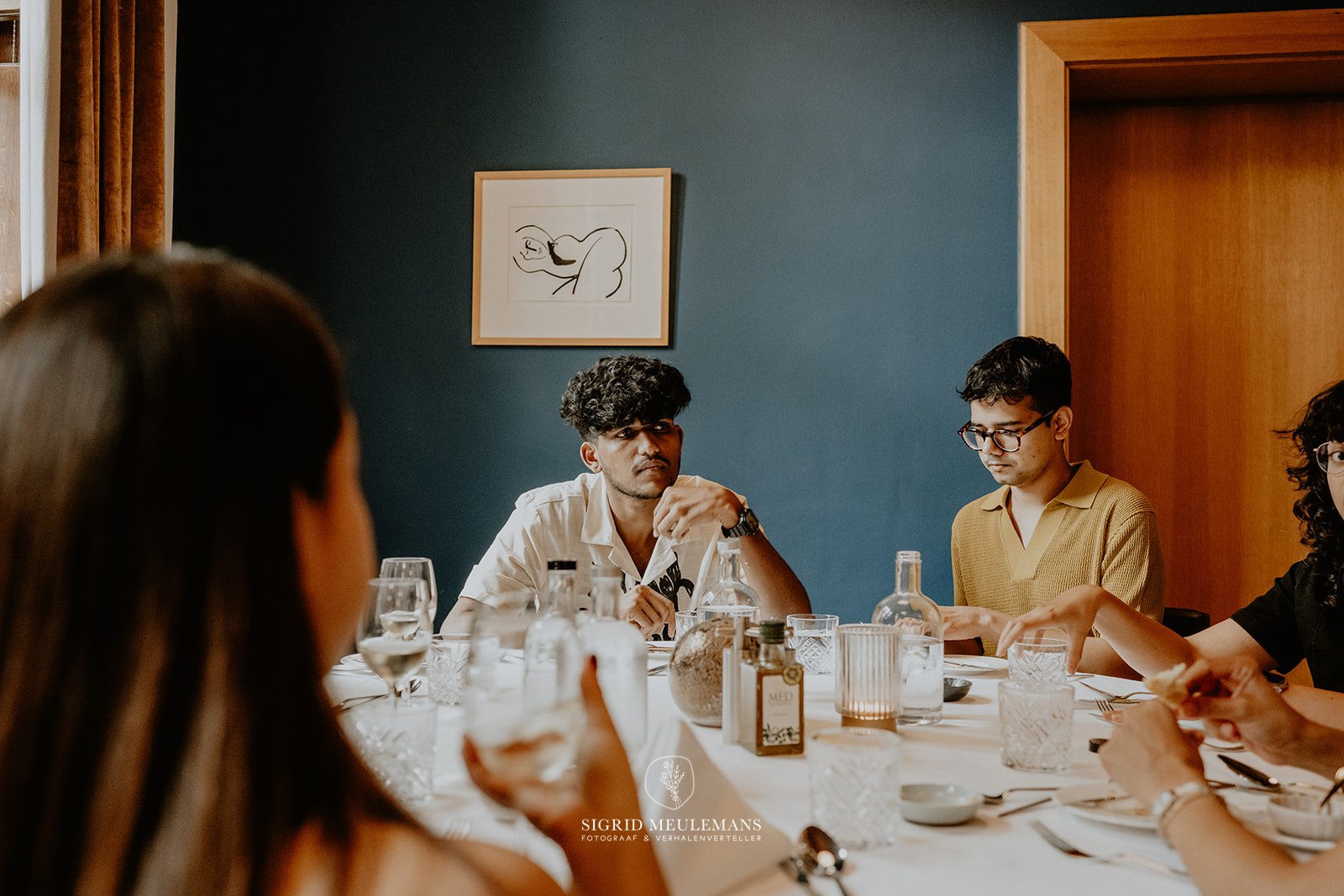
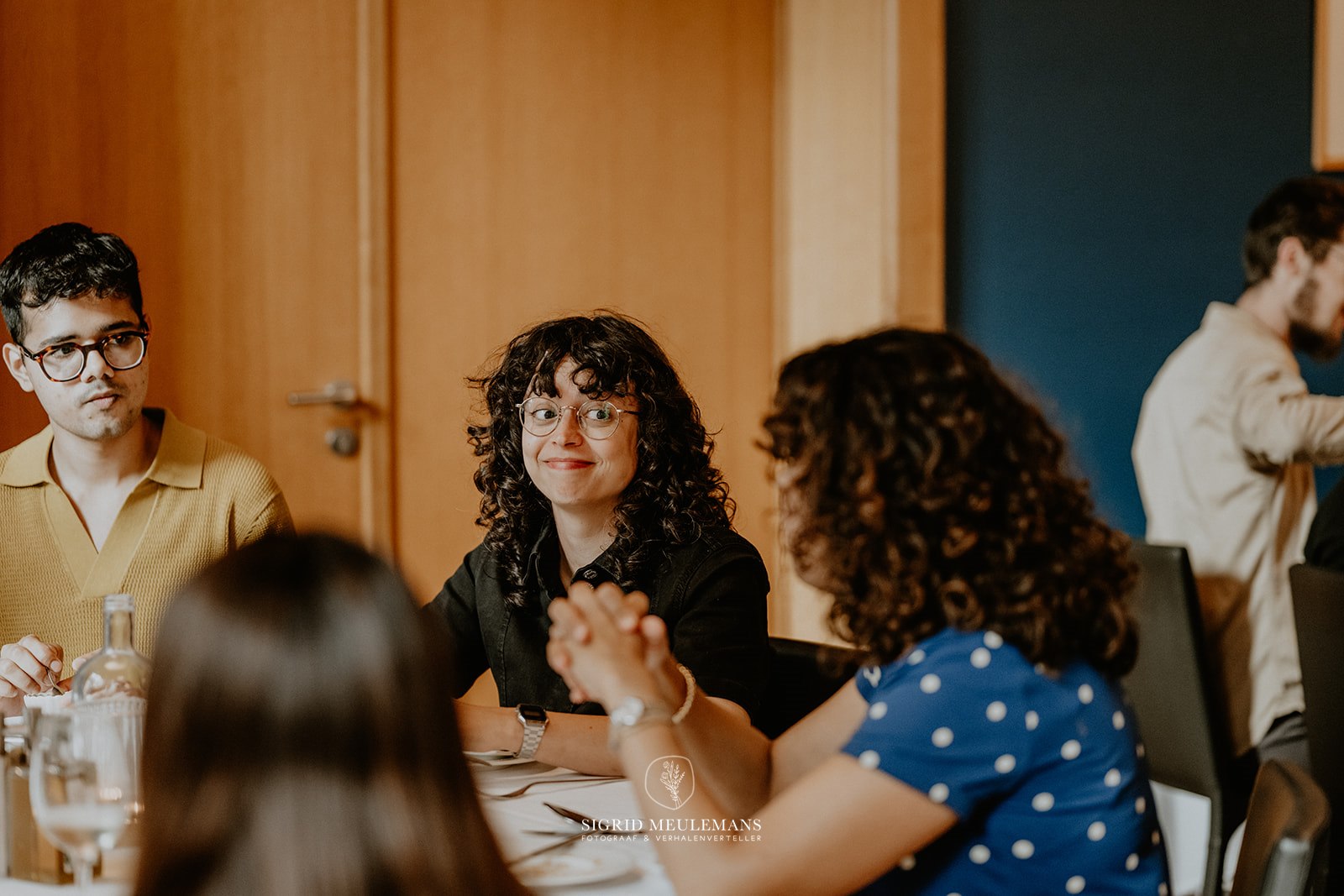
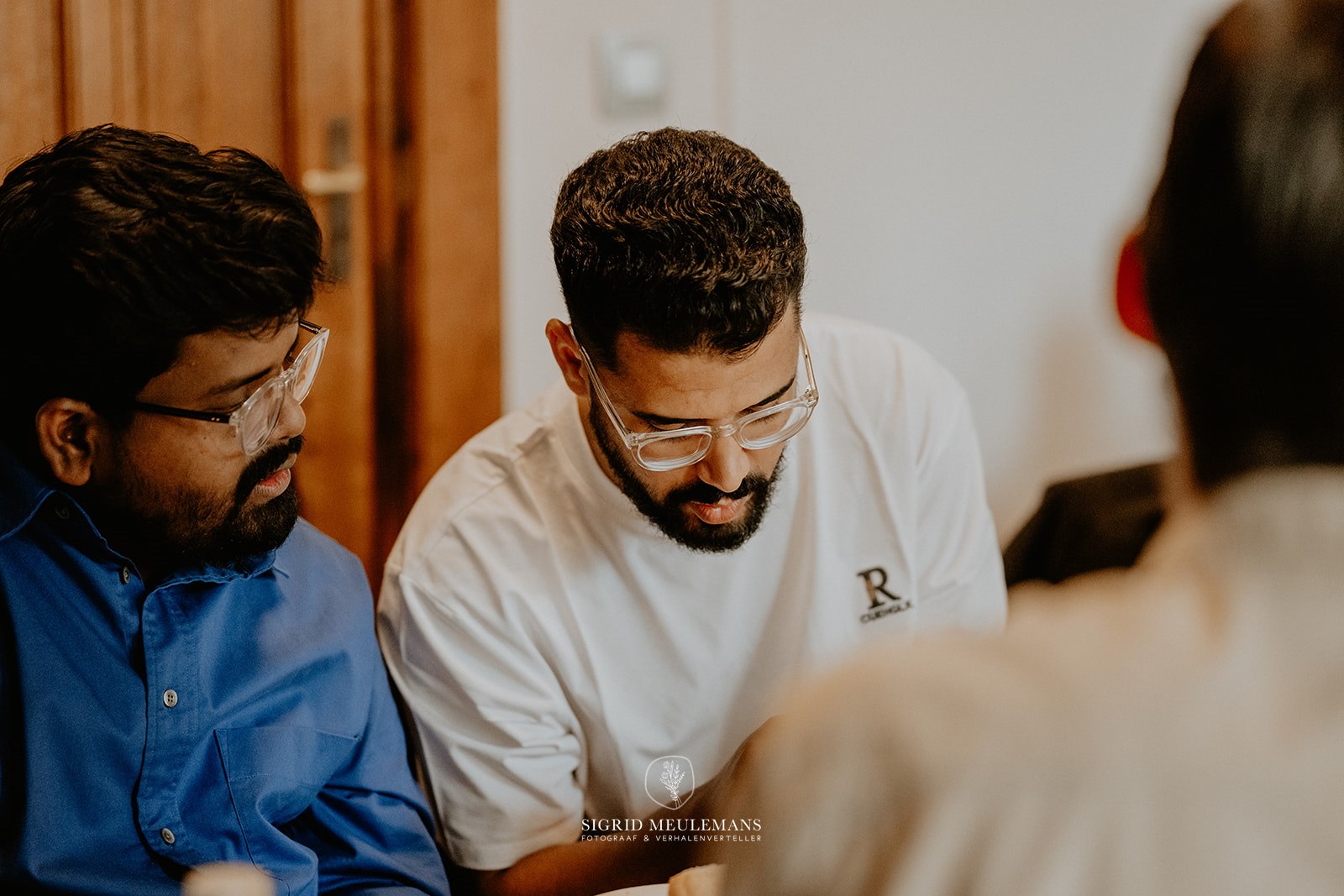
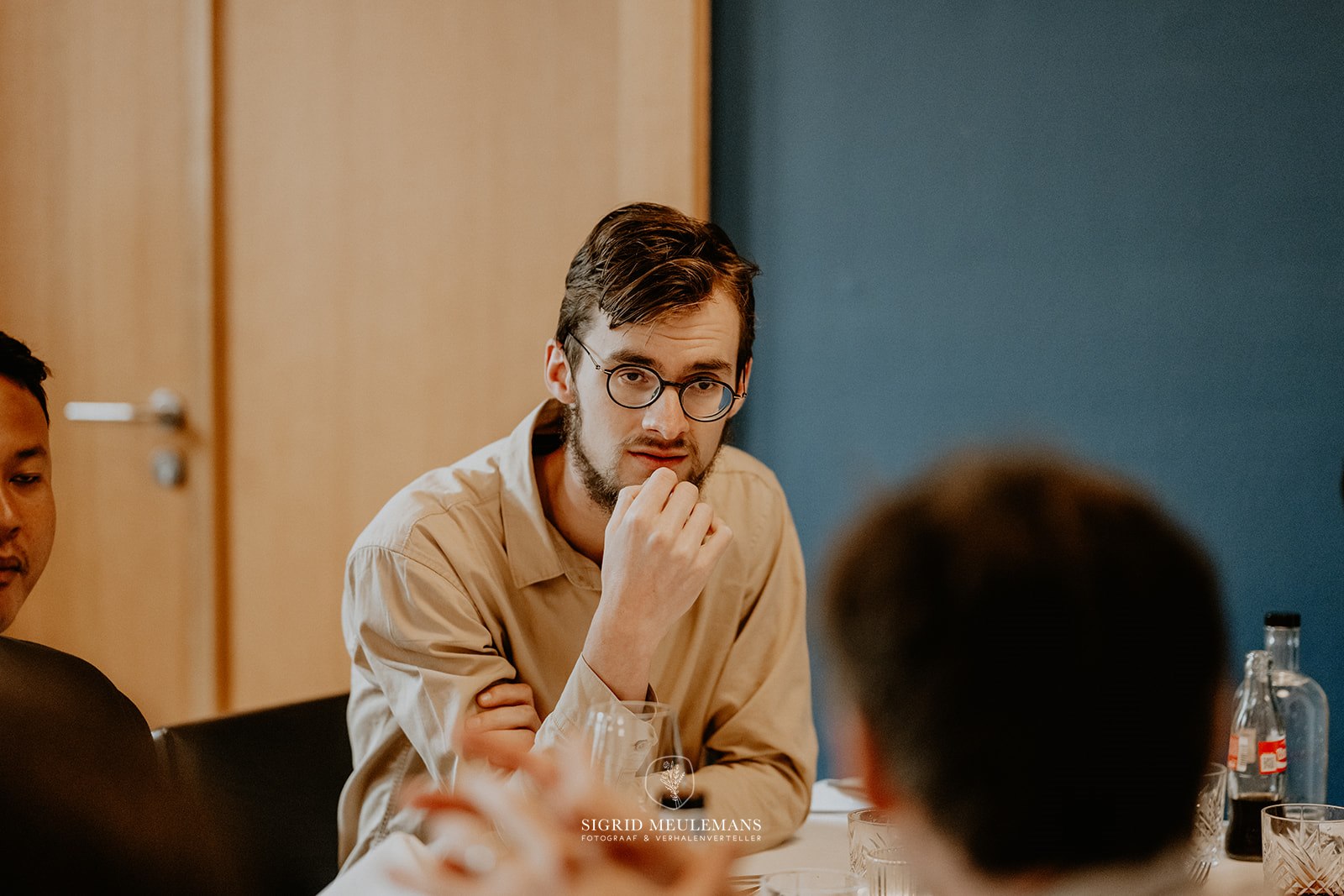
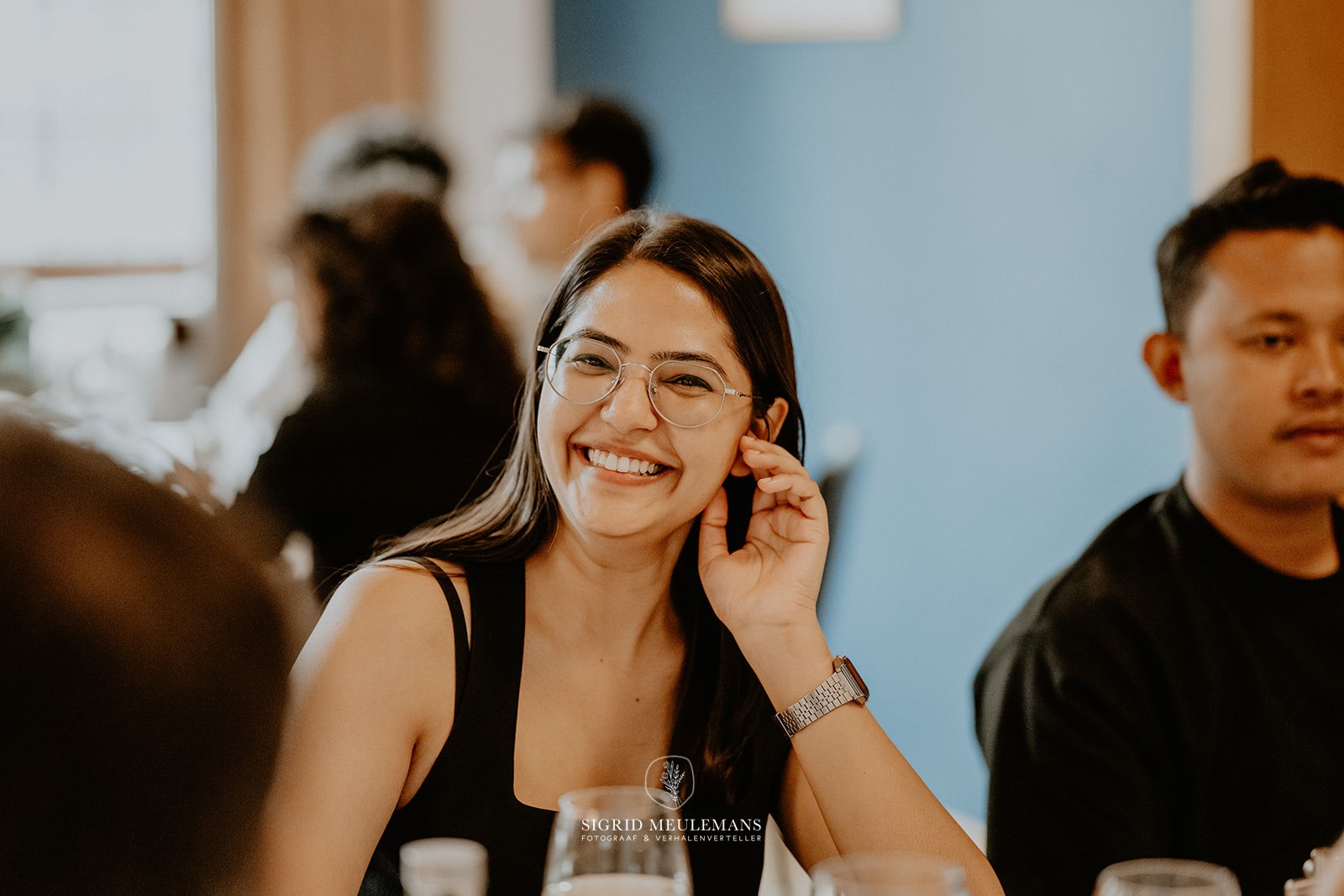
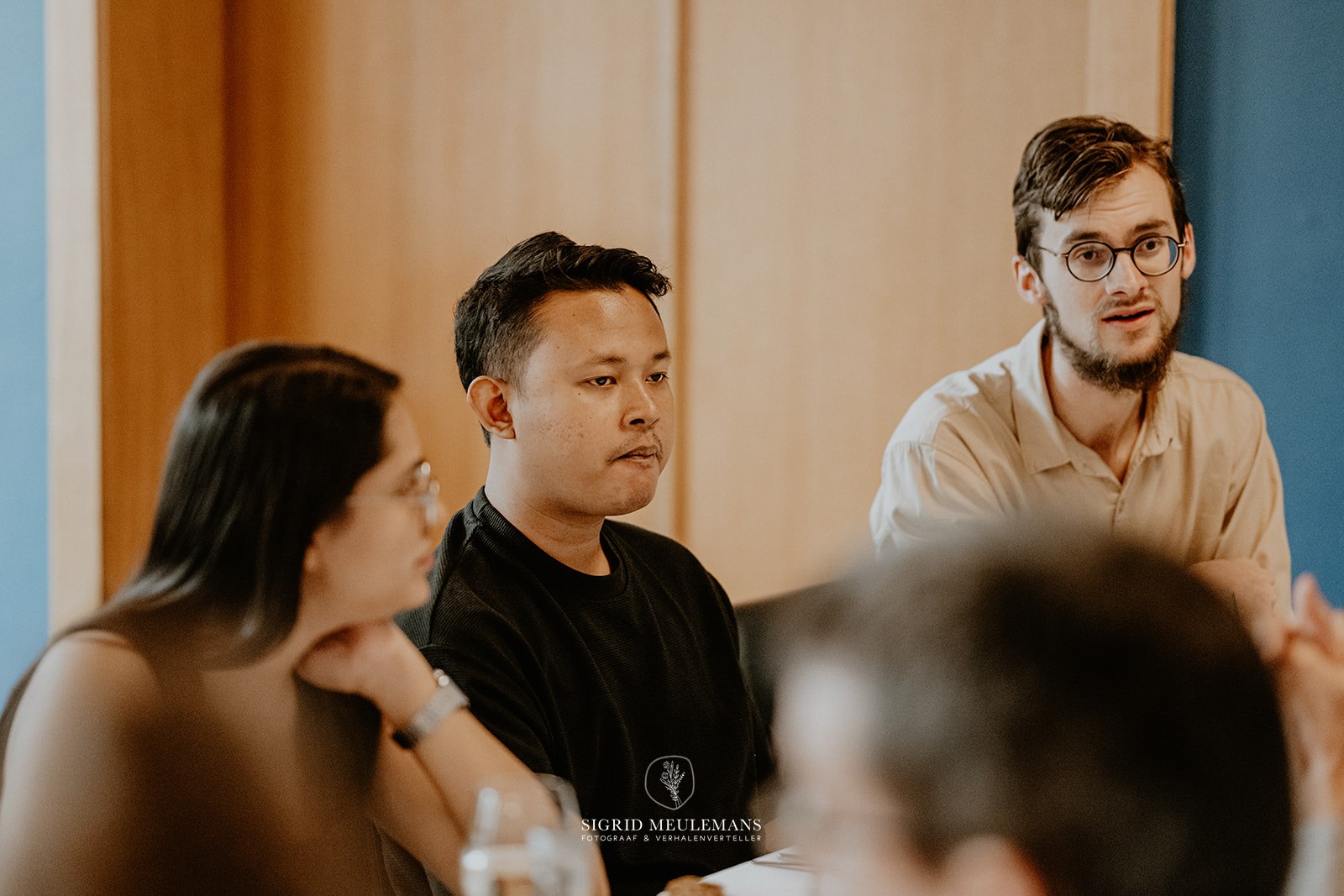
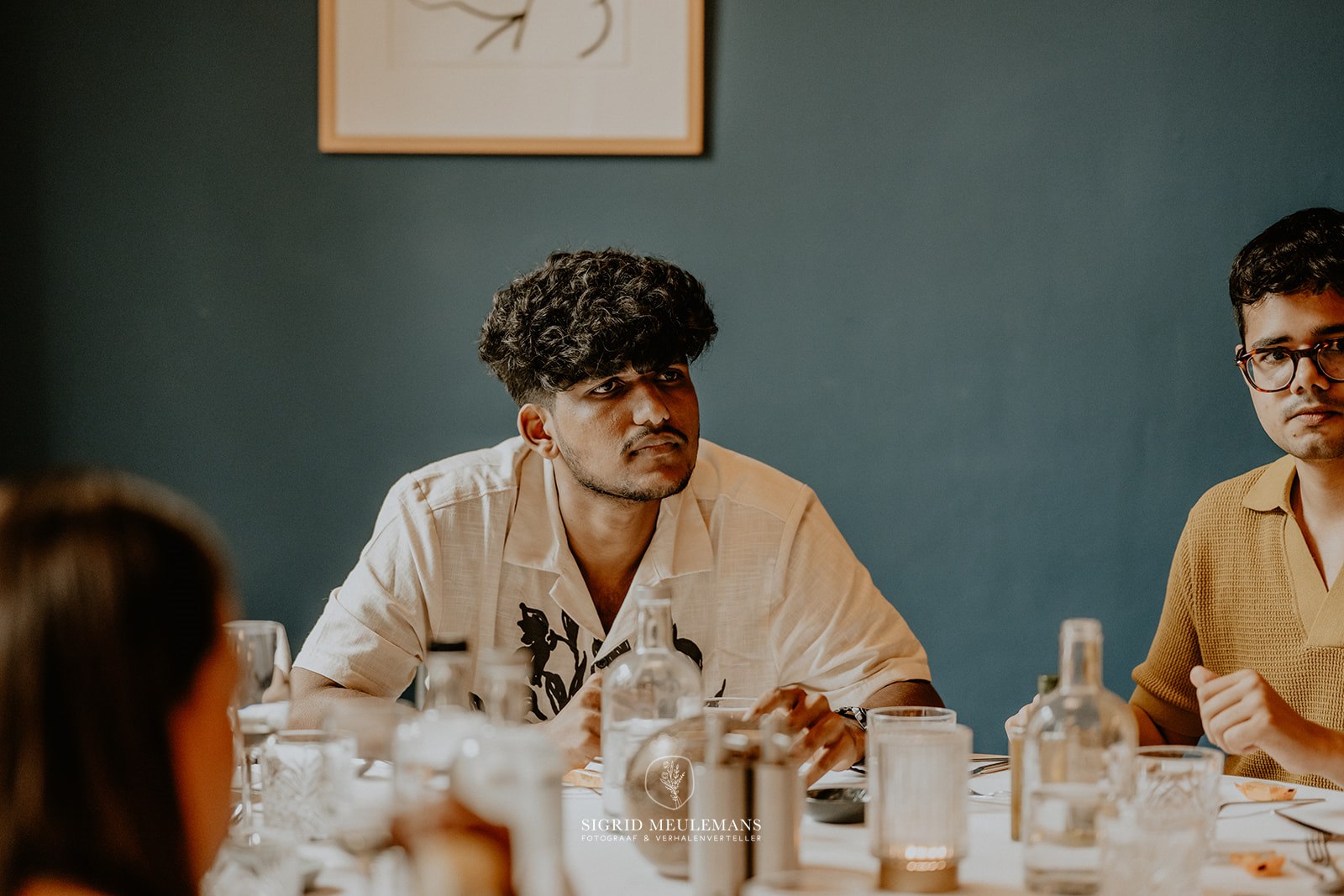
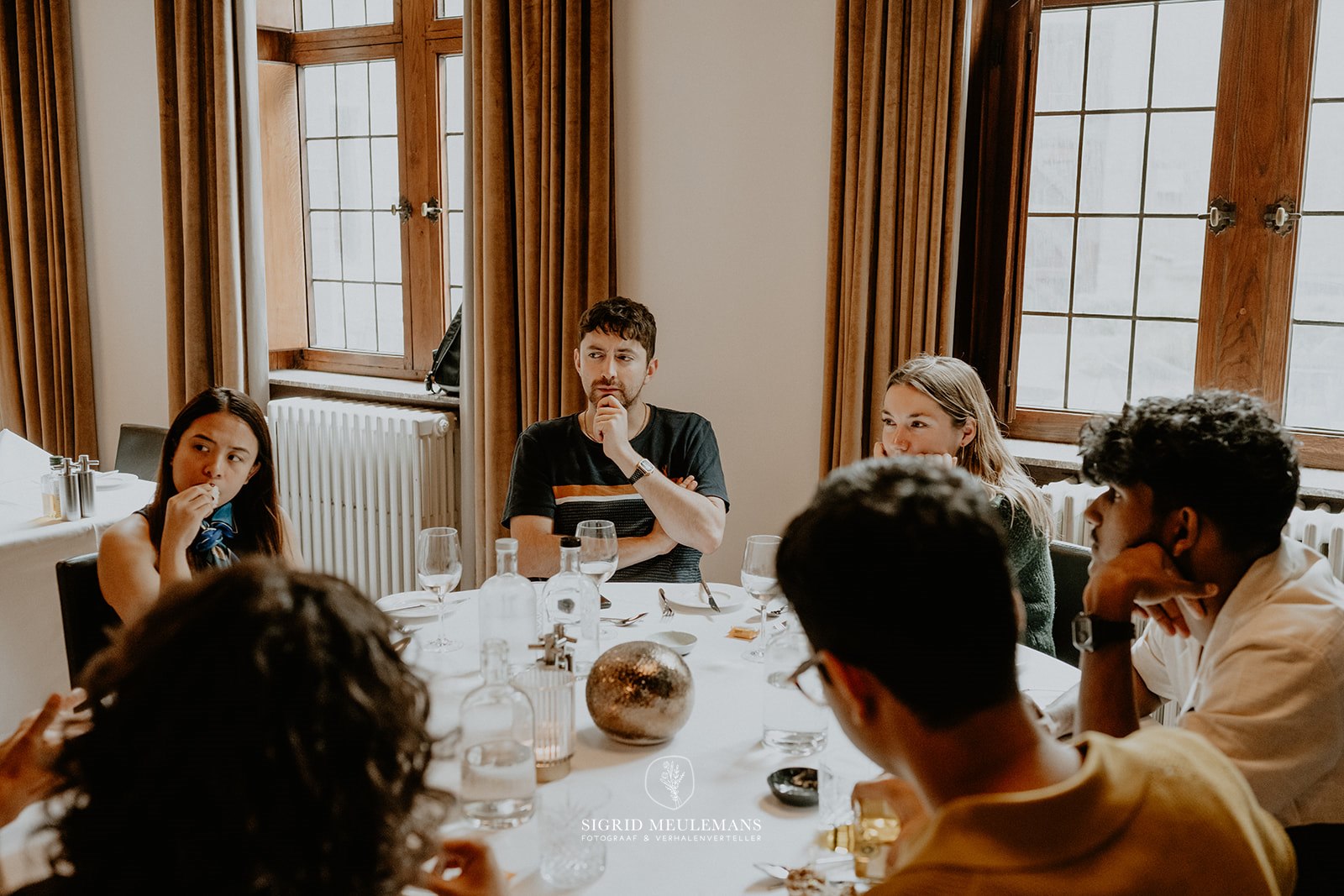
From left to right: Prashant Kumar, Junesse Crisostomo, Yasmin Moll, Arisy Abror Dzukroni, Prathistha Maurya, Shajeem Muhammad Fazal P V, Dries Ver Elst, Shaheel Muhammad T, Nicolò Di Dio, Mick Feyaerts, Gabriela de la Vega, Vlad Naumescu, Thomas Long, Elmoutassim Abdelmonim, Gilke Gunst
Missing from the picture: Martin Couto & Nadia Marzouki
© Sigrid Meulemans
theme
Competing Values, Shifting Norms
Questioning the Intersection of Religion and Politics through Moral Debates
The 2025 UCSIA Summer School brought together early career researchers to explore how the contemporary entanglement of religion and politics is increasingly articulated through moral debates and value conflicts. Building on the 2024 edition, which focused on theopolitics and theological narratives of nationalism, populism, and conservatism from an institutional perspective, the 2025 summer school shifted attention to moral tensions emerging from a bottom-up perspective and their impact on different levels of (theo)political action.
Moral values and norms shape understandings of the good life and are rooted in diverse philosophical and religious traditions that continue to inform cultural, social, and political dynamics. In a rapidly changing world marked by overlapping crises, religious and political frictions are often channeled through moralized discourses and value conflicts, for example around gender, migration, and bodily autonomy.
Throughout the week, participants examined the historical, philosophical, and theological sources of these moral debates, paying particular attention to shifting boundaries between the public and private, and the secular and religious. Central to these discussions was the question of moral authority: who defines values and norms, how they are interpreted, and how they translate into social and political practices.
By bringing together scholars from different disciplines within the human and social sciences, the UCSIA Summer School 2025 offered a space for critical reflection on moral issues and their political implications. Through lectures, paper presentations, and intensive discussions, participants explored how moral vocabularies can function both as sites of contestation and as sources of emancipation, shaping identities and collective imaginaries across personal, institutional, and state levels.
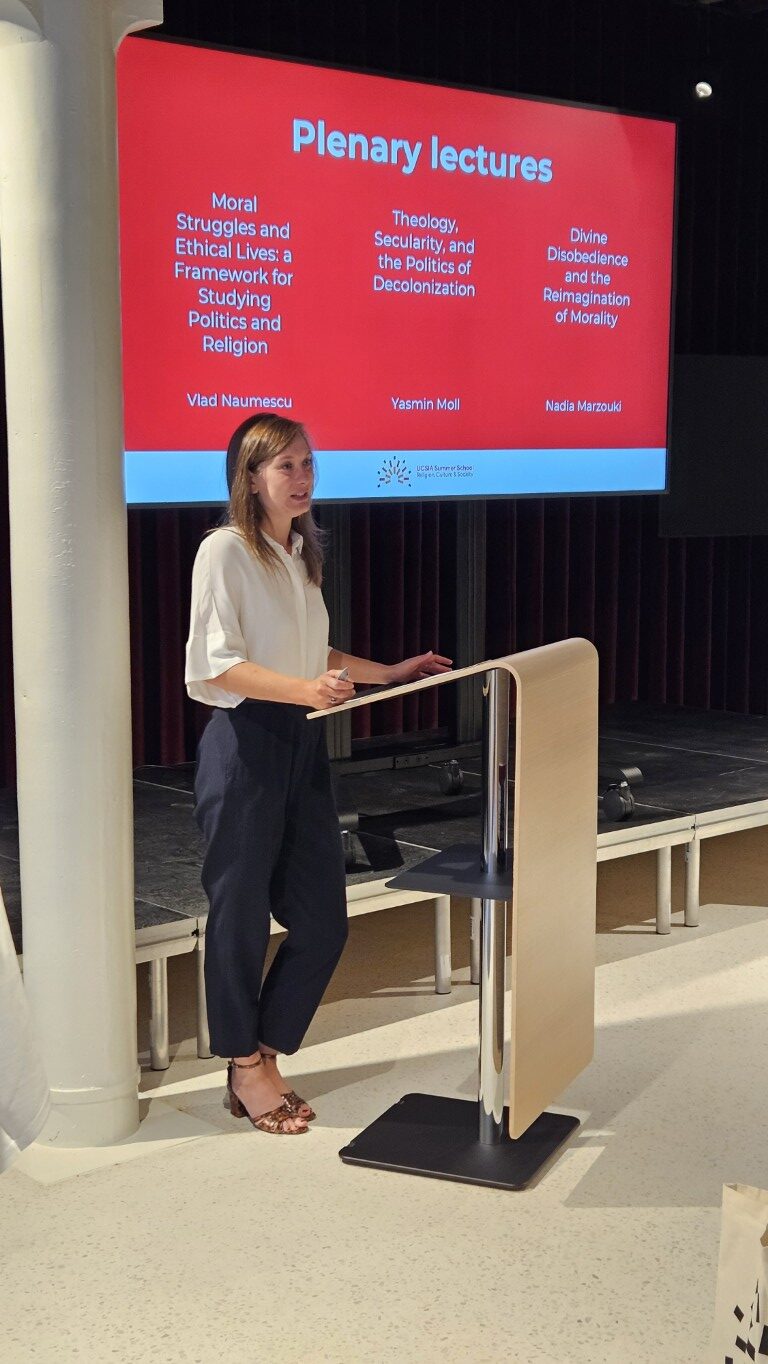
Lectures by Vlad Naumescu:
Moral Struggles and Ethical Lives: a Framework for Studying Politics and Religion
This lecture introduced morality as a lens for studying the entanglement of religion and politics in modernity. It has asked where to locate the ethical and how to approach the moral in social life and scholarly inquiry. Focusing on the moral repertoires that shape individuals and collectivities, the lecture explored how morality becomes a site of struggle, negotiation and reform across personal lives, communal boundaries and political regimes. For this, it has taken the case of Russian Old Believers, a traditionalist Christian movement that developed a distinct moral and political theology in response to secular challenges, to show how morality operates as a lived ethics and a form of political critique.
Contested Sovereignties and the Ethics of Reform
Building on the first lecture, this session focused more closely on the ethics and politics of reform. Starting from Old Belief, where ‘schism’ functions as a creative moral practice, it asked what kind of moral vision it entails, what temporal orientation and political potential it has. It has then been contrasted with other revivalist or reform movements to ask how the ethics of reform differ from those of revival or tradition, and how secular institutions—especially law— assert competing claims to moral truth.
Lectures by Nadia Marzouki:
Divine Disobedience and the Reimagination of Morality
This lecture explored how individuals and collectives engage in what Nadia Marzouki terms “theo-moral activism”, actions rooted in religious convictions, texts, and rituals and oriented towards normative claim-making. Marzouki conceptualizes religion not merely as a space of self-discipline but as a contested terrain in which norms and values are negotiated, articulated, and reconfigured.
Drawing on case studies from field research in the United States and Italy, Marzouki examined how theo-moral disobedience fosters a politics of sanctuary challenging nativist populism’s sacralization of politics. Marzouki highlighted some of the challenges problematizing theo-moral disobedience. How should scholars or religion and politics approach these fragmentary actions that surface on the political fringes? They stand in contrast to the monumental aesthetics and ideals of mass movements, occupations of physical spaces, and regime overthrow. Marzouki examined the paradoxes inherent in this mode of collective action, which simultaneously asserts the sovereignty of refusal and embraces the open-endedness of doubt. The lectures detailed how theo-moral activism contributes to reimagining civil disobedience as a form of normative resistance that transcends the liberal frameworks of acceptable, state-sanctioned protest.
The Rise of the Jewish-Muslim Left in the United States and the Politics of Solidarity
Anti-Muslim rhetoric was front and center of the first Trump administration. From Donald Trump’s incendiary speeches about how “Islam hates” the United States to the Executive order nicknamed the “Muslim Ban,” Muslims in the U.S. were a primary target of the first Trump administration. A lesser-known aspect of the 2016 election is the significant rise in the number of Muslim elected officials in state legislatures and municipal councils. Beginning in 2016, a new generation of Muslim elected officials with unique trajectories came to the fore to advocate for better access to education, health care, low wages, and the environment. This new generation of Muslim representatives signals a departure from the earlier politics of recognition that shaped the strategies of major Muslim American organizations. Instead, they embrace what Nadia Marzouki terms a politics of representing, through which Muslim American elected officials assert their legitimacy to speak on behalf of the American people in all its diversity and plurality. Around the same time, a new generation of young Jewish activists founded the organization IfNotNow, dedicated to reformulating American Judaism by disconnecting it from Israeli politics and by anchoring it to a politics of the left in the U.S.
This lecture explored how the parallel trajectories of these two groups contribute to the elaboration of a Jewish-Muslim left in the United States that constitutes a significant – albeit fragmentary – counterpoint to the nativist populism of White Christian Nationalism. While Jewish and Muslim communities are repeatedly pitted against one another in the public debate, Marzouki detailed the politics of solidarity, allyship, and convergence at work in this nascent relationship. Marzouki problematized this political relationship of solidarity as a practice of co-production that does not seek to produce an overlapping synthesis or consensus, and that thrives through keeping unresolved some tensions and disagreements. The lecture reflected upon the methodological challenges inherent to the ethnographic study of processes immersed in oversensitive contexts, and addressed issues of positionality, interviewees’ safety, and trust building.
Lectures by Yasmin Moll:
Theology, Secularity, and the Politics of Decolonization
In recent years calls to decolonize knowledge have gained renewed traction across disciplines in the Western academy even as universities clamp down on campus protests for justice, equality and liberation. In most accounts, decolonization means interrogating Eurocentric ways of knowing to recenter marginalized histories and perspectives. This includes within anthropology, a discipline foundationally oriented around the comparative study of human difference. Despite proponents’ drive to radically interrogate the liberalism of this orientation, decolonizing calls arguably remain internal to anthropology as a secular liberal discipline. By contrast, the idea of a Godly ethnography – as put forth in the 1980s call for an “Islamic anthropology” – presents a more destabilizing disciplinary challenge in that the study of difference is oriented neither towards self-determination nor solidarity, but towards divine devotion.
This lecture has probed what new epistemological and political questions the contrast between the unacknowledged secularity of decolonial anthropology and the explicit theology of its Islamic counterpart might provoke. It asked how a deeper engagement with theological commitments might generate alternative forms of ethical imagination and collective life within secularized liberal disciplines like anthropology even as such commitments come with their own closures and constraints. At a time of resurgent state racism and growing authoritarianism in Western liberal democracies, recognizing the generative limits of both secular and theological critique within and beyond the academy is more urgent than ever.
Book talk: The Revolution Within
The New Preachers of Egypt—so named because of their novel preaching styles, which incorporate everything from melodrama to music to self-help—came to prominence on the world’s first Islamic television channel on the cusp of the Arab Spring uprisings. They promoted an innovative and inclusive Islamic piety that millions of young middle-class viewers found radical and compelling—but were scorned as neoliberal by leftists, as stealth Islamists by secularists, and as too Westernized by other Muslim preachers.
Drawing on long-term fieldwork with the New Preachers, their producers, and followers in Cairo, Yasmin Moll shows how Islamic media and the social life of theology mattered to contestations over the shape of a New Egypt. These mass-mediated fractures within Islamic Revivalism were happening at a time of both revolutionary possibility and authoritarian entrenchment. The New Preachers’ Islamic media inspired a “revolution within” that transcended the country’s divisions and anticipated the ethos of creativity, solidarity, and coexistence that soon would mark Tahrir Square, the ethical epicenter of the 2011 uprising. The Revolution Within challenges conventional accounts of the 2011 revolution and its aftermath as a struggle between secular and religious forces, reconsidering what makes a practice virtuous, a public Islamic, a way of life Godly.
Arisy Abror Dzukroni Presents at ASEAS Conference and Publishes on Islamic Law in Indonesia
Arisy Abror Dzukroni, participant in the most recent UCSIA Summer School, has recently shared news...
Final Speaker Confirmed for UCSIA Summer School: Nadia Marzouki
We are delighted to announce that Dr. Nadia Marzouki will join the line-up of speakers at this...
Yasmin Moll joins the UCSIA Summer School Faculty
Yasmin Moll is an Assistant Professor of Anthropology at the University of Michigan, specializing...
Vlad Naumescu returns to the UCSIA Summer School 2025
We are happy to announce the first mentor of the 2025 UCSIA Summer School: Meet Vlad Naumescu! Dr....
Faculty
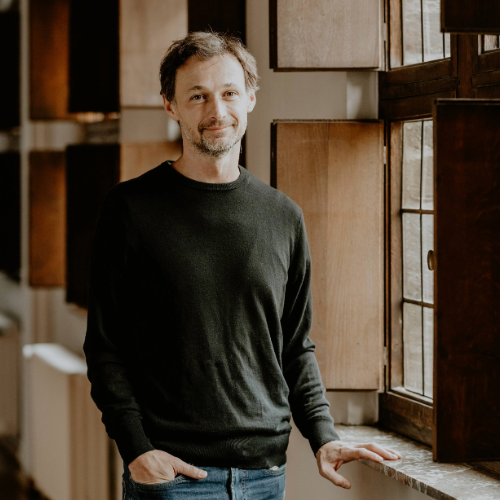
Vlad Naumescu is Associate Professor at the Department of Sociology and Social Anthropology of the Central European University.
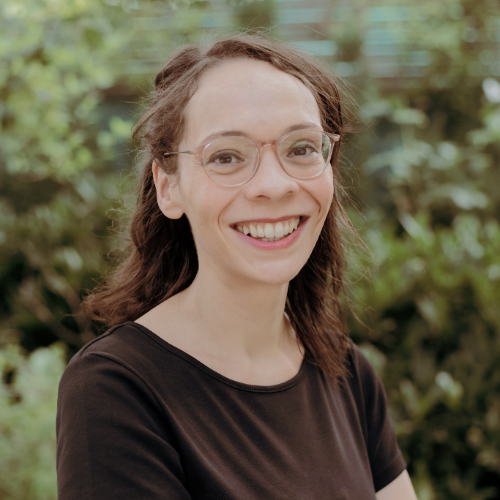
Nadia Marzouki is a political scientist and a research fellow at CNRS.
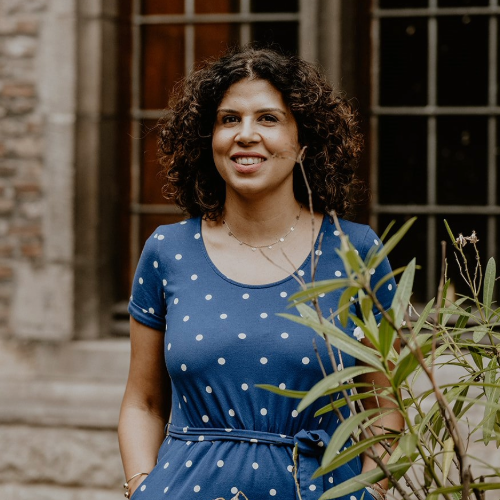
Yasmin Moll is Assistant Professor of Anthropology at the University of Michigan.
Presented papers
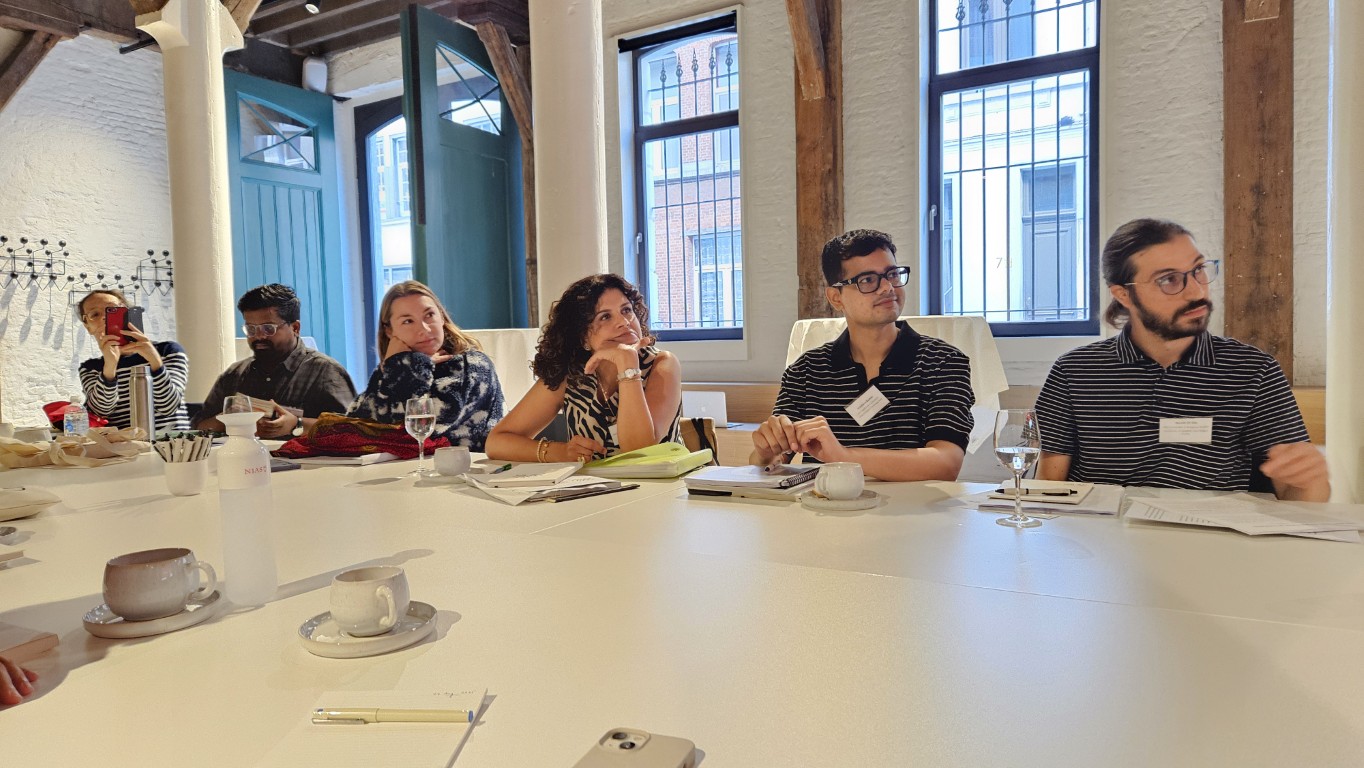
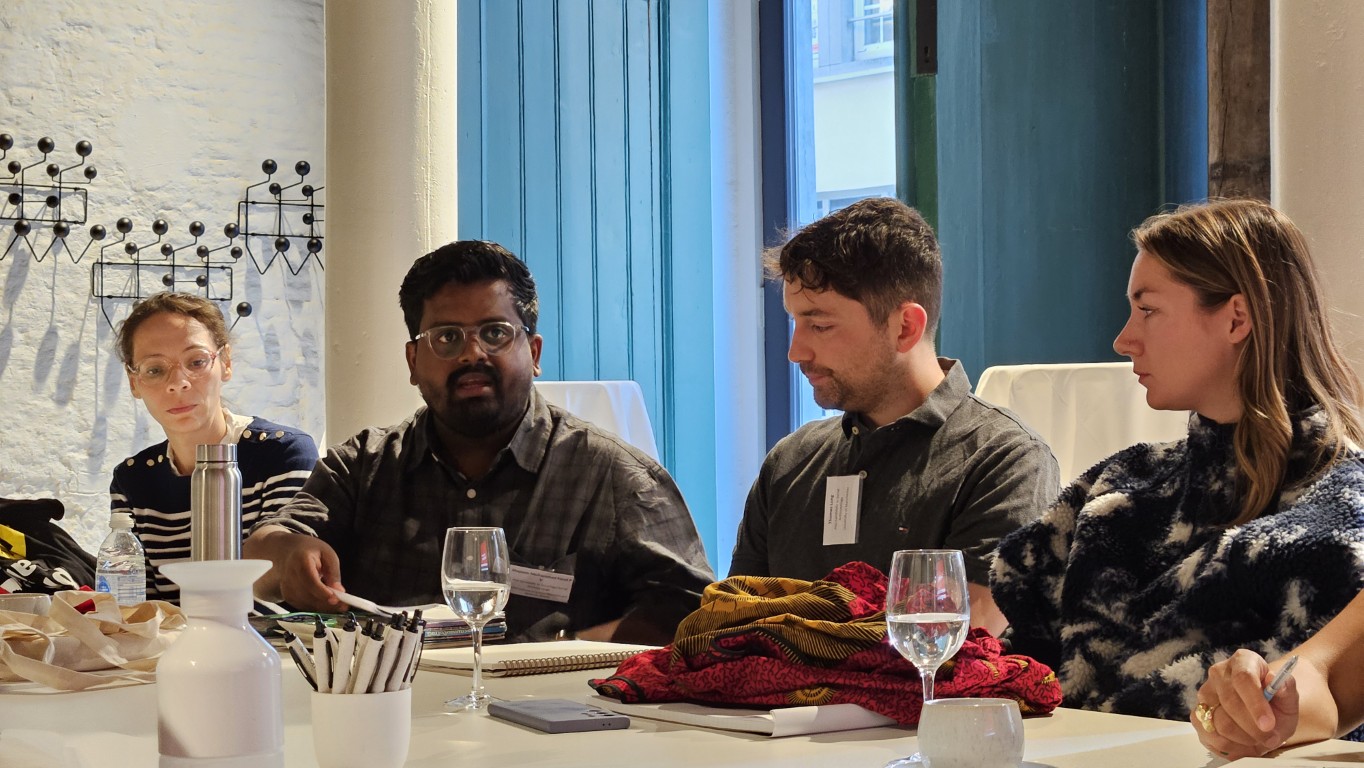
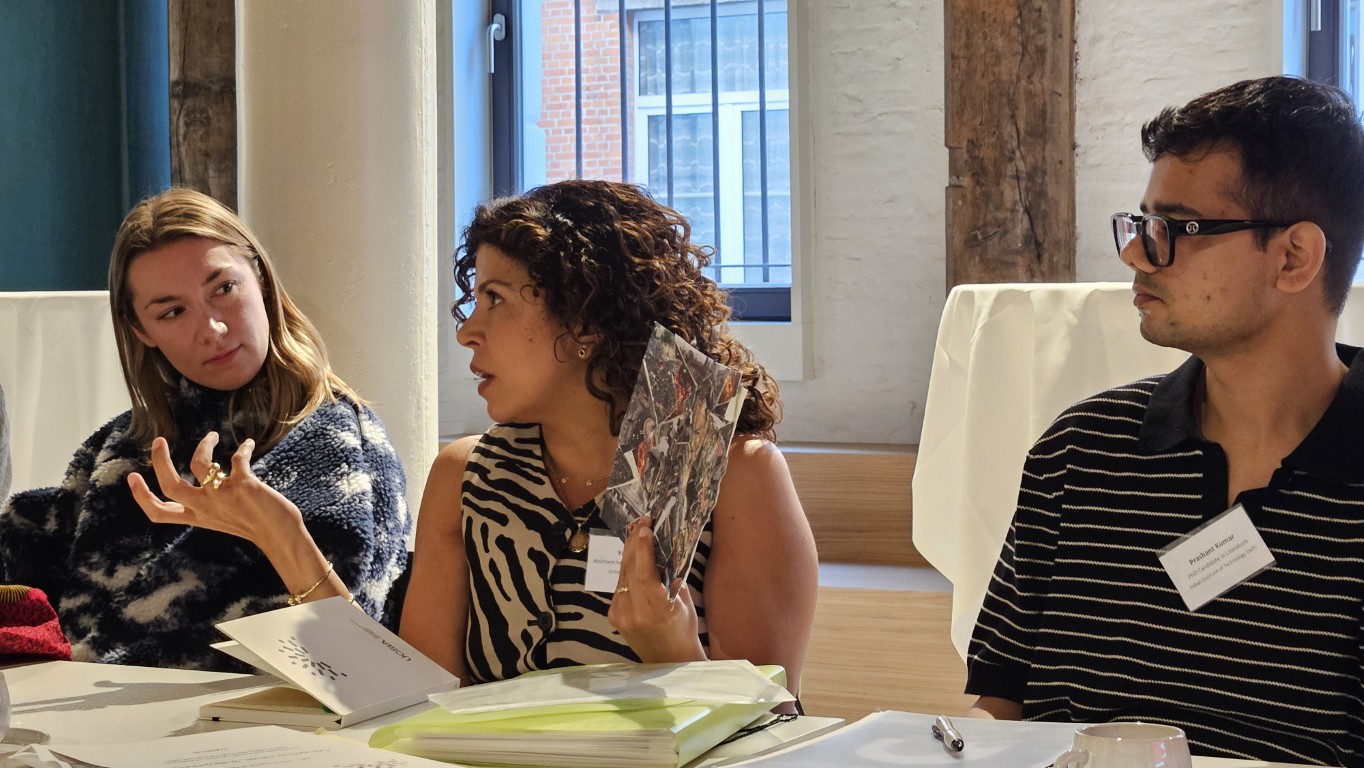
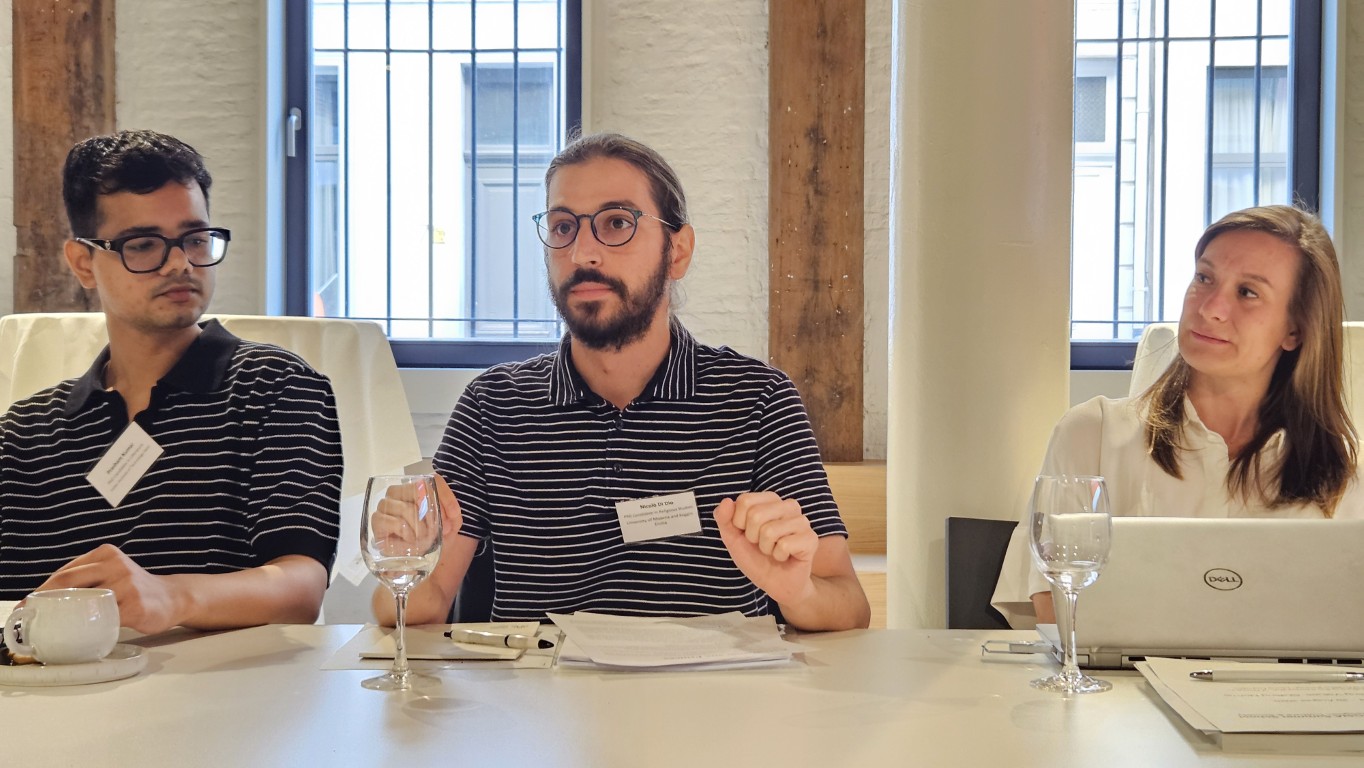
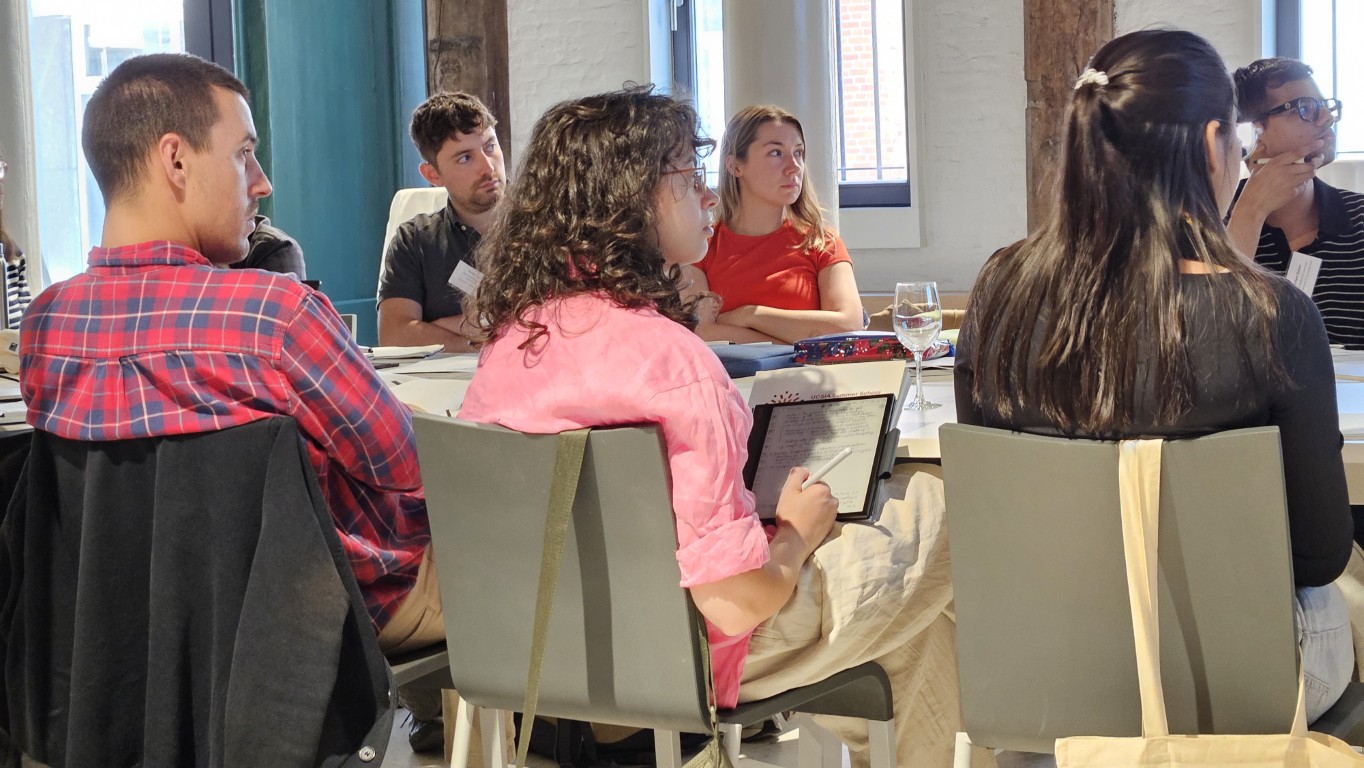
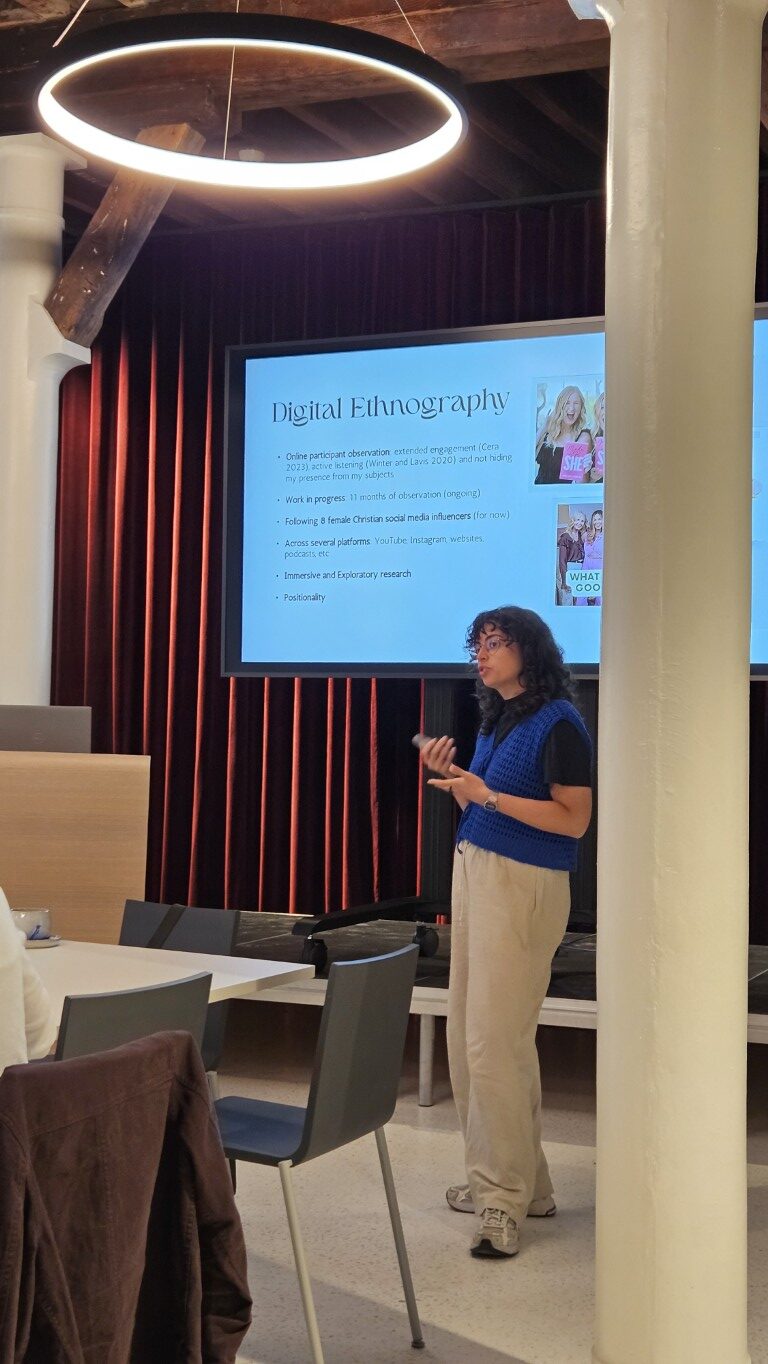
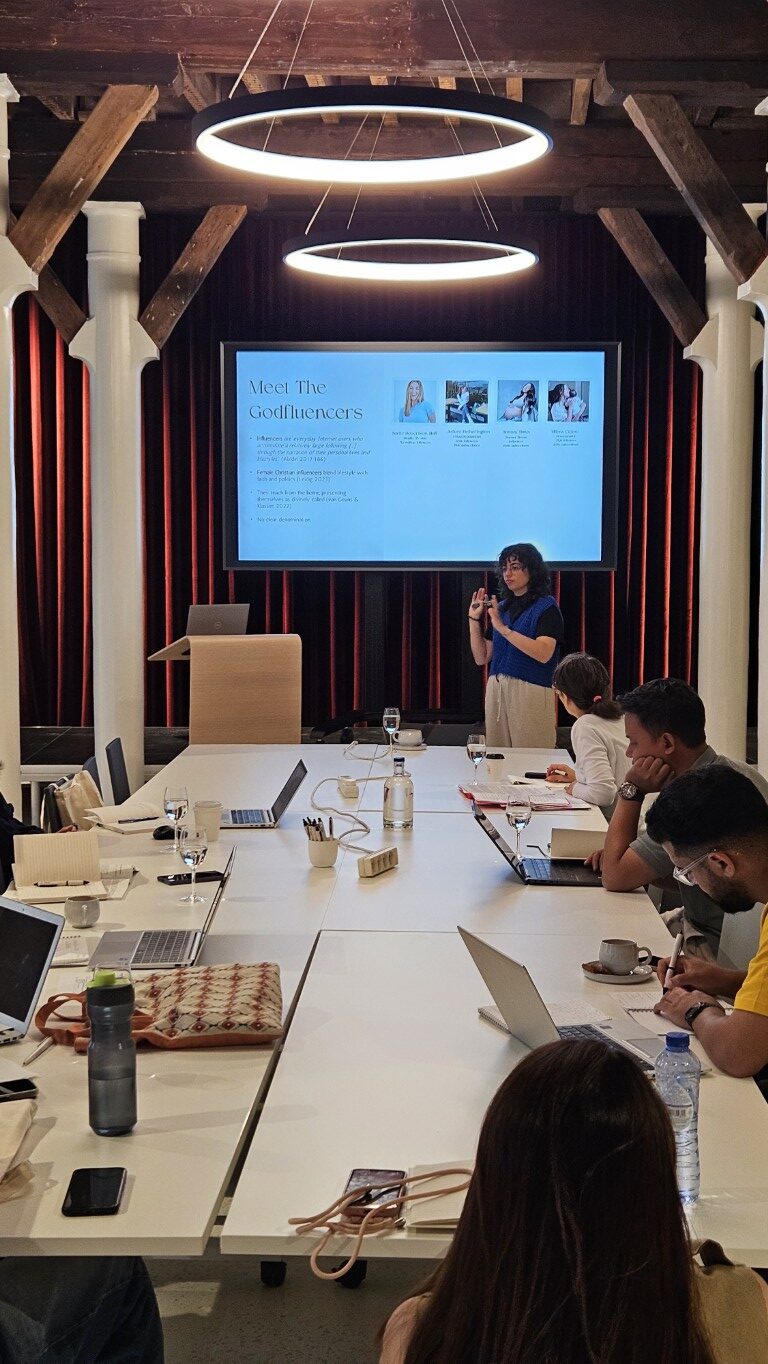
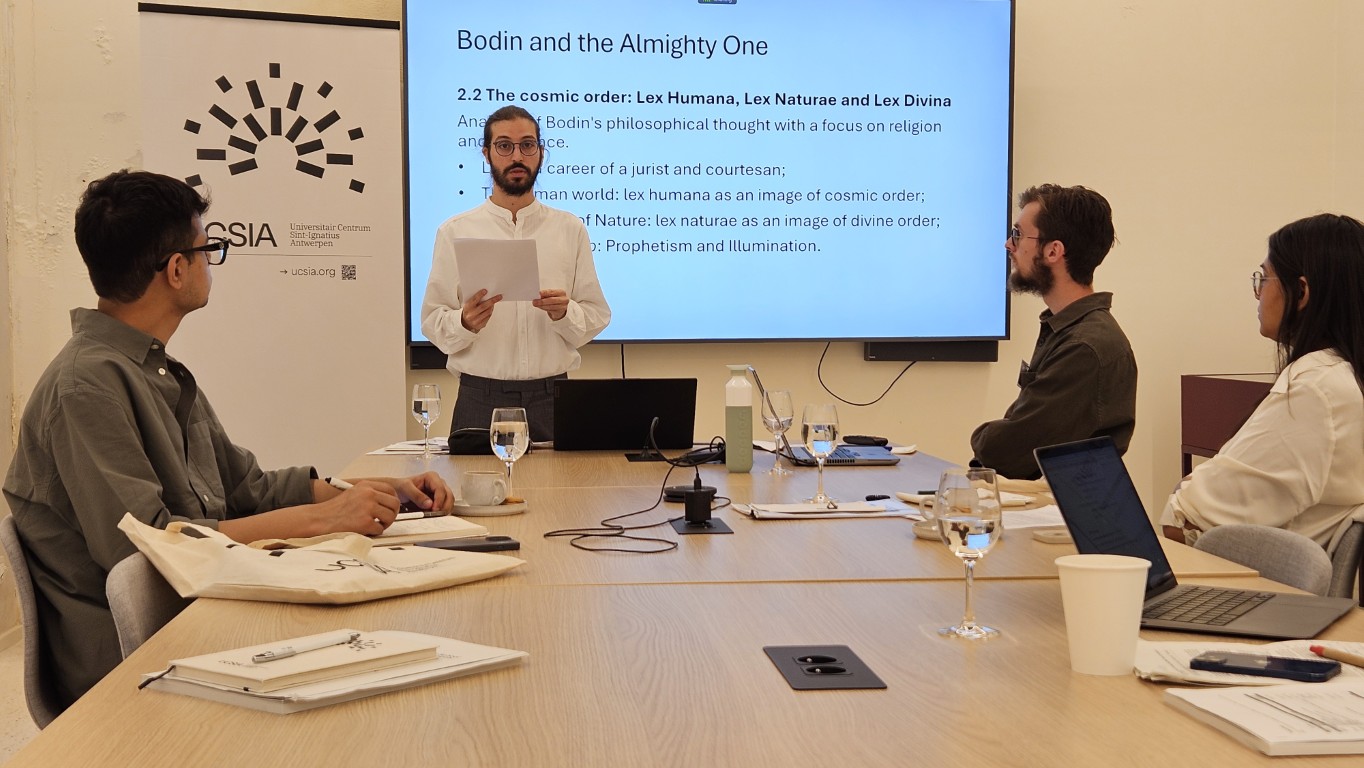
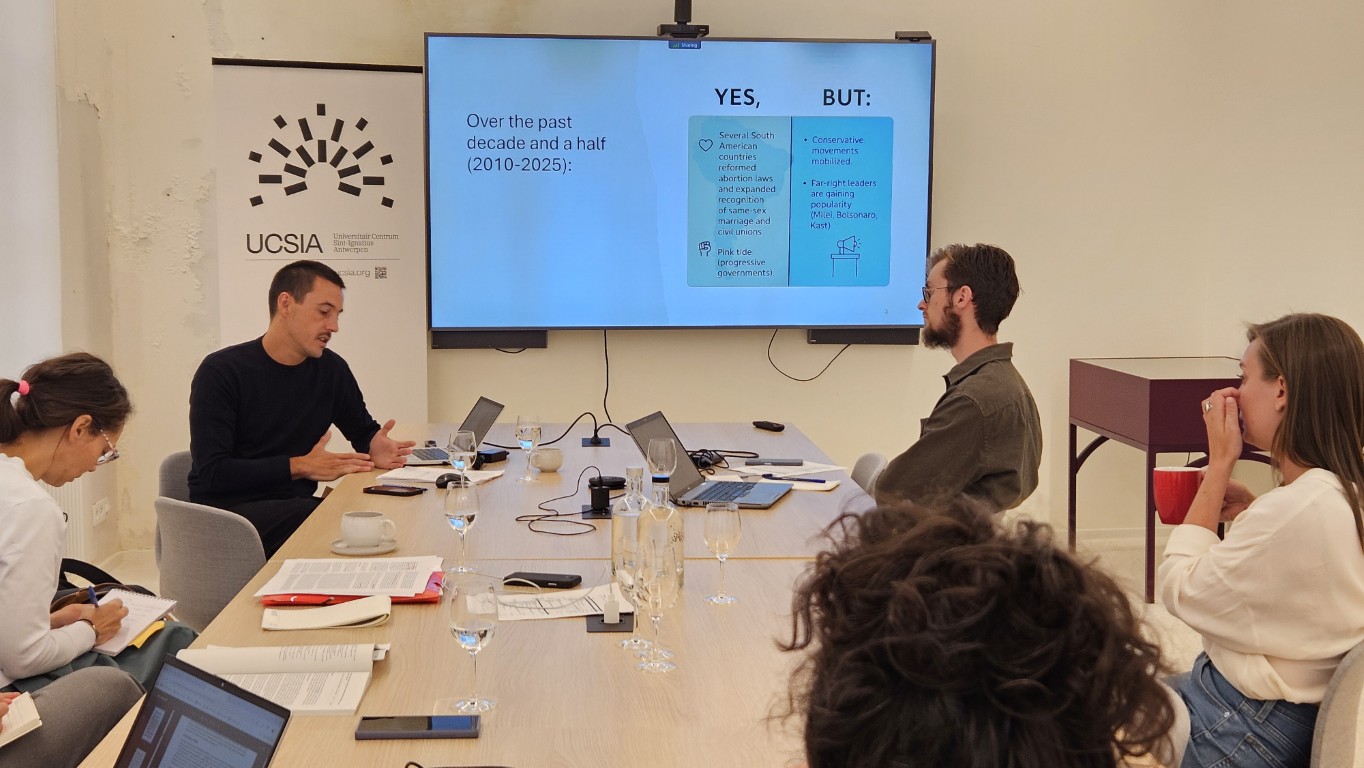
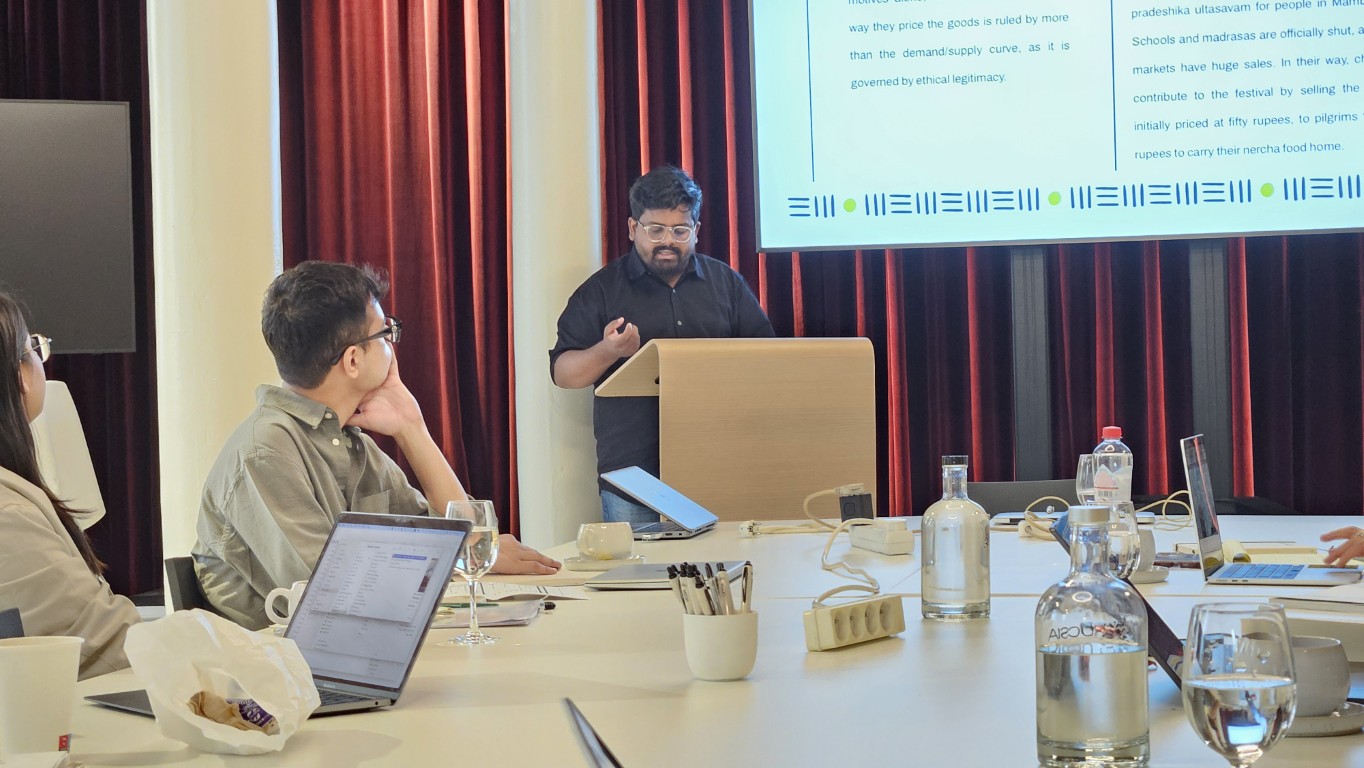
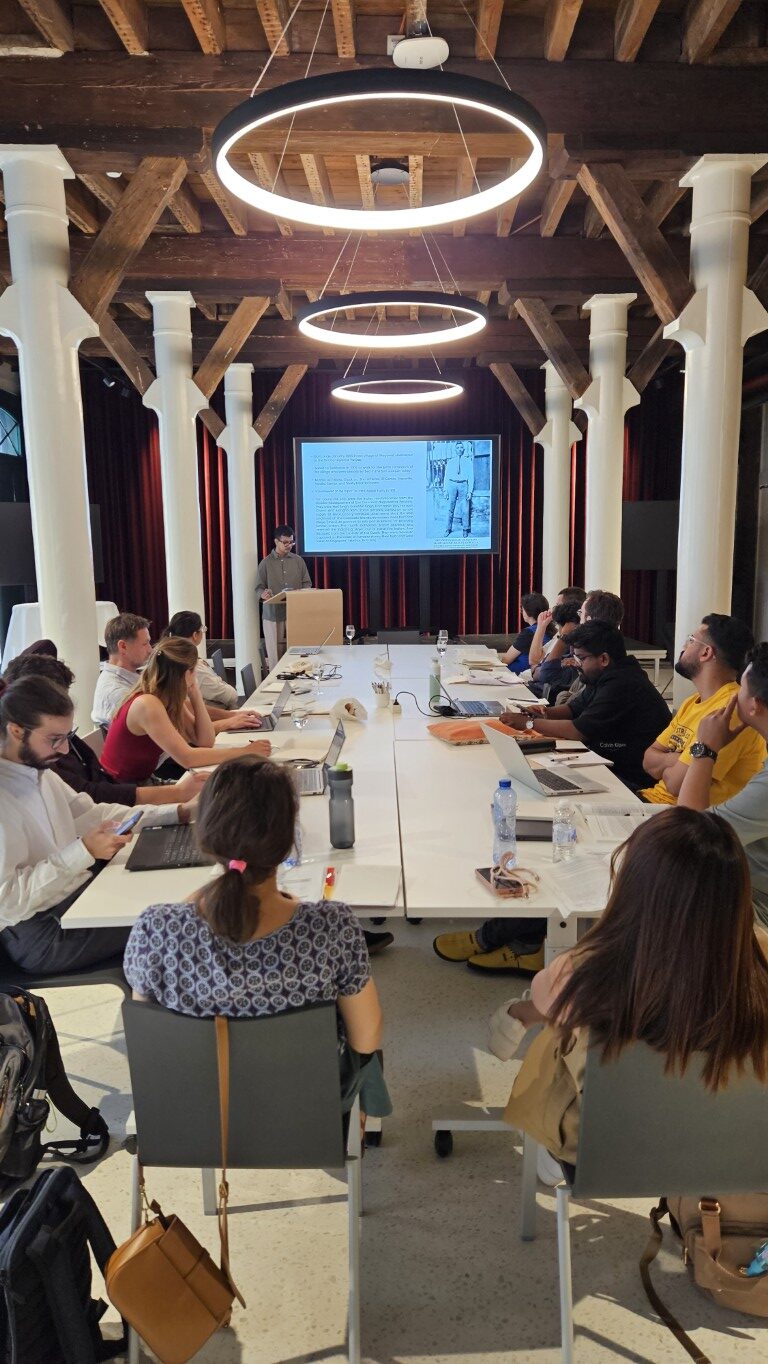
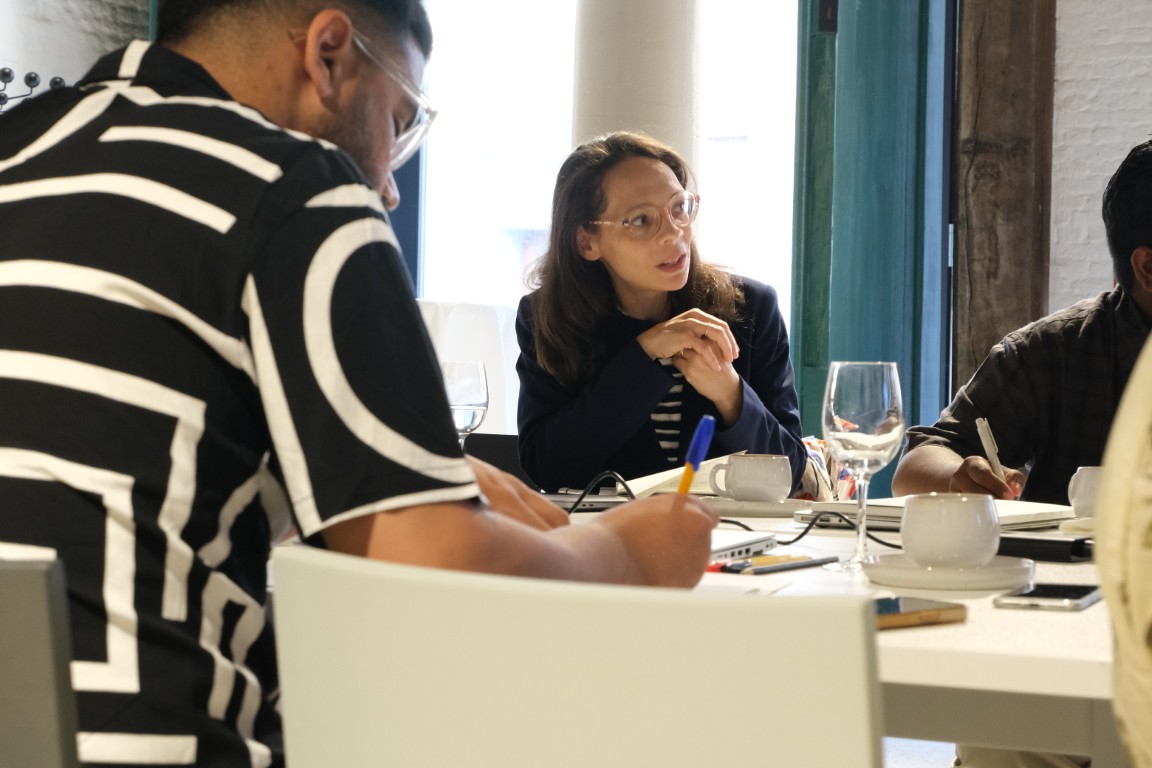
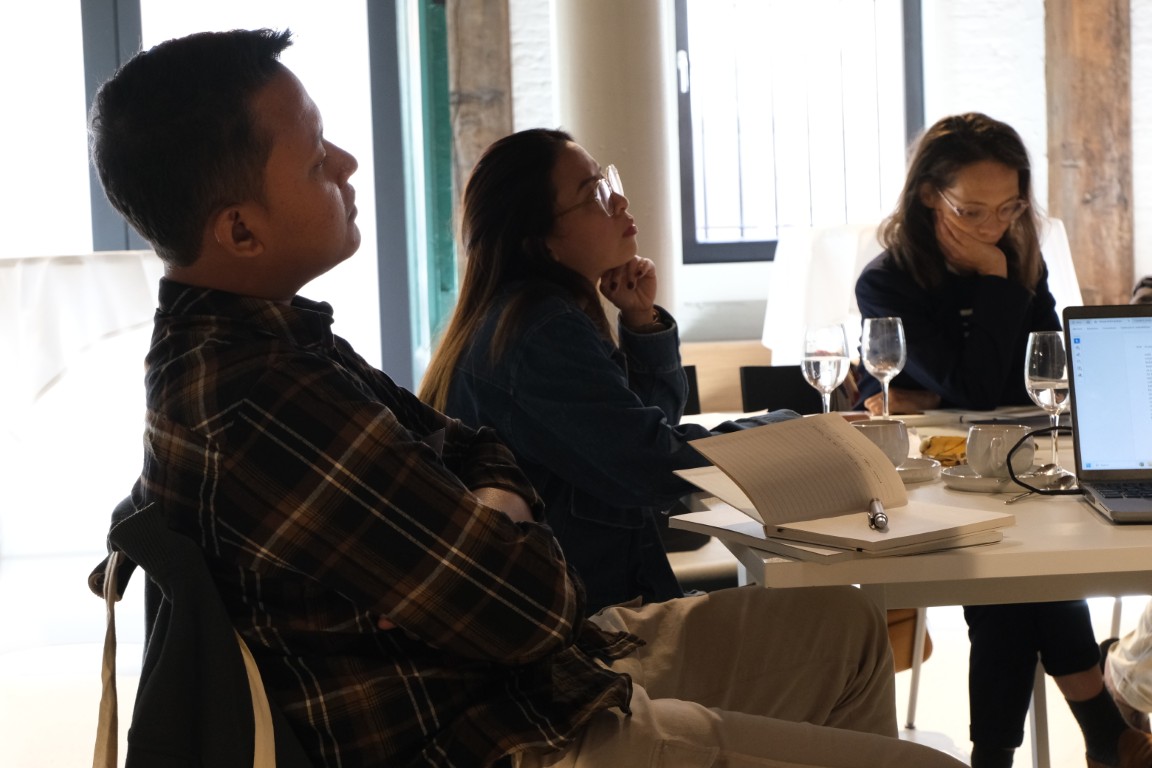
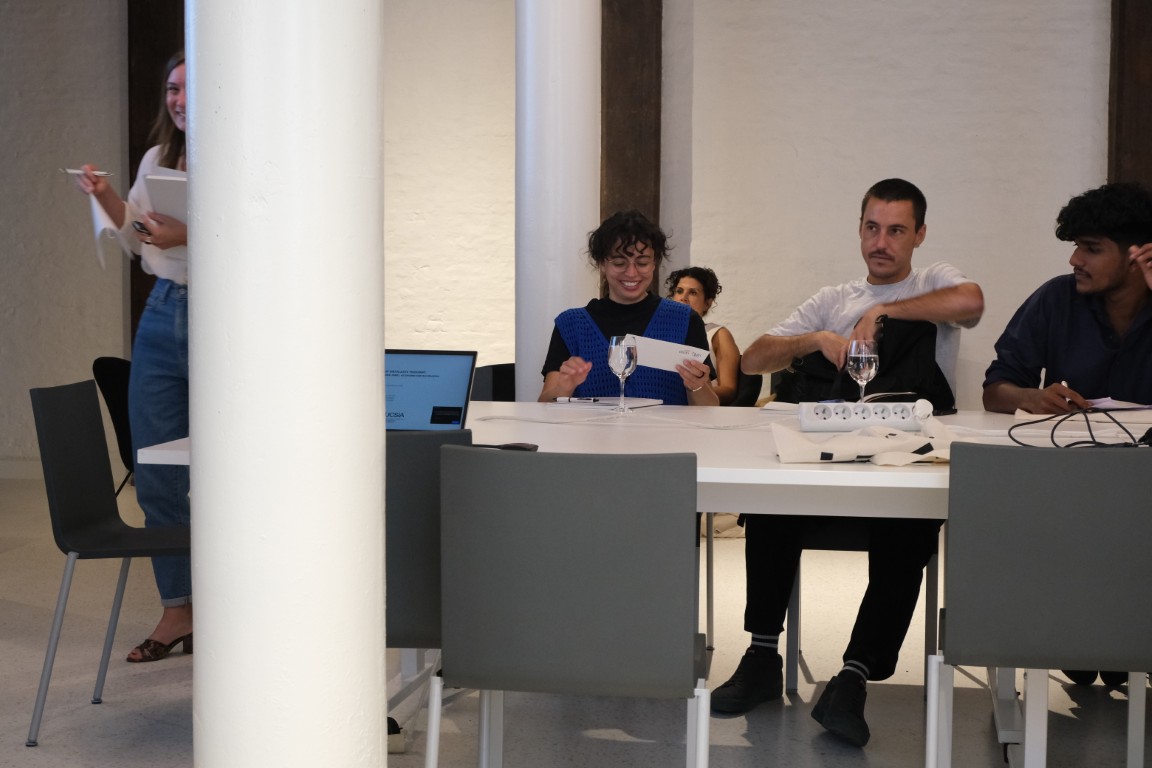
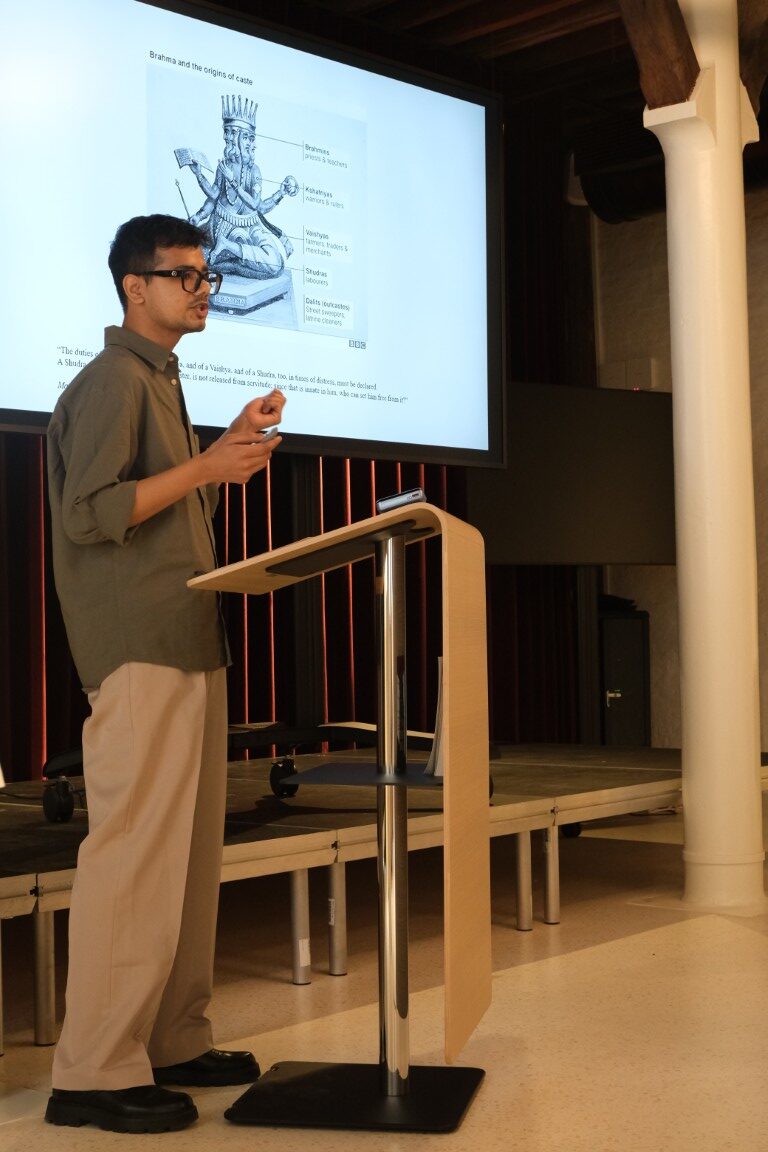
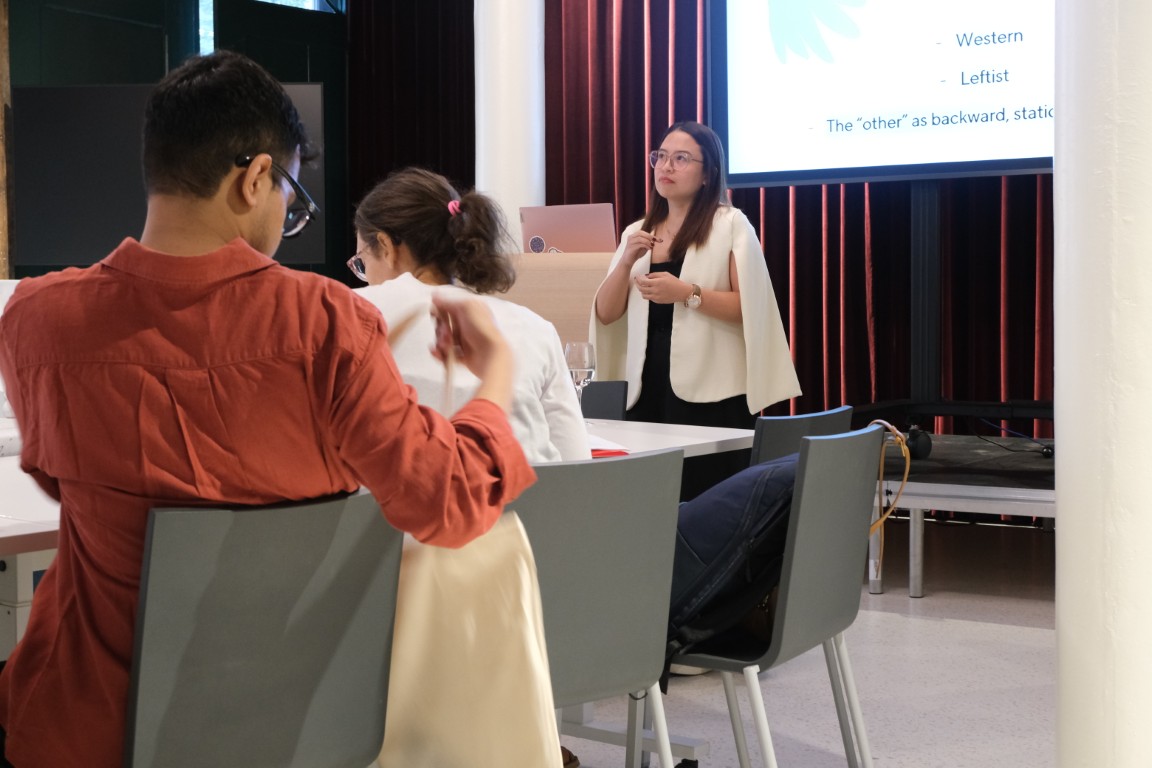
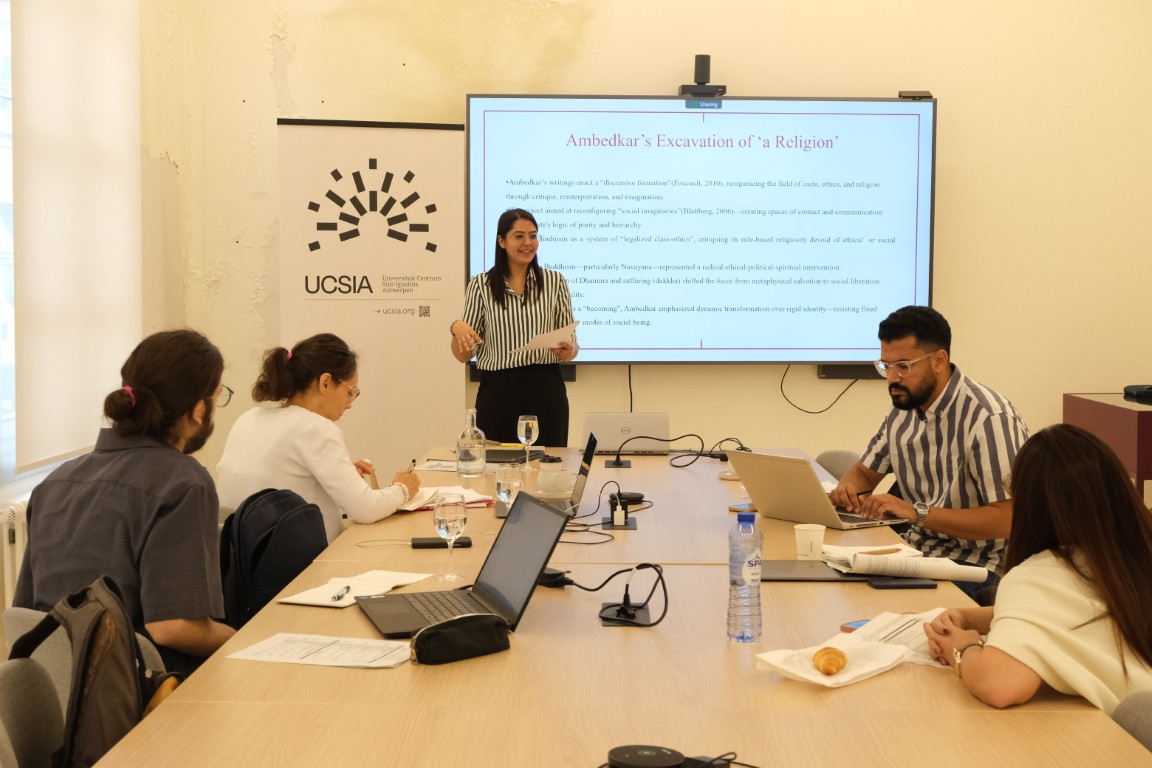
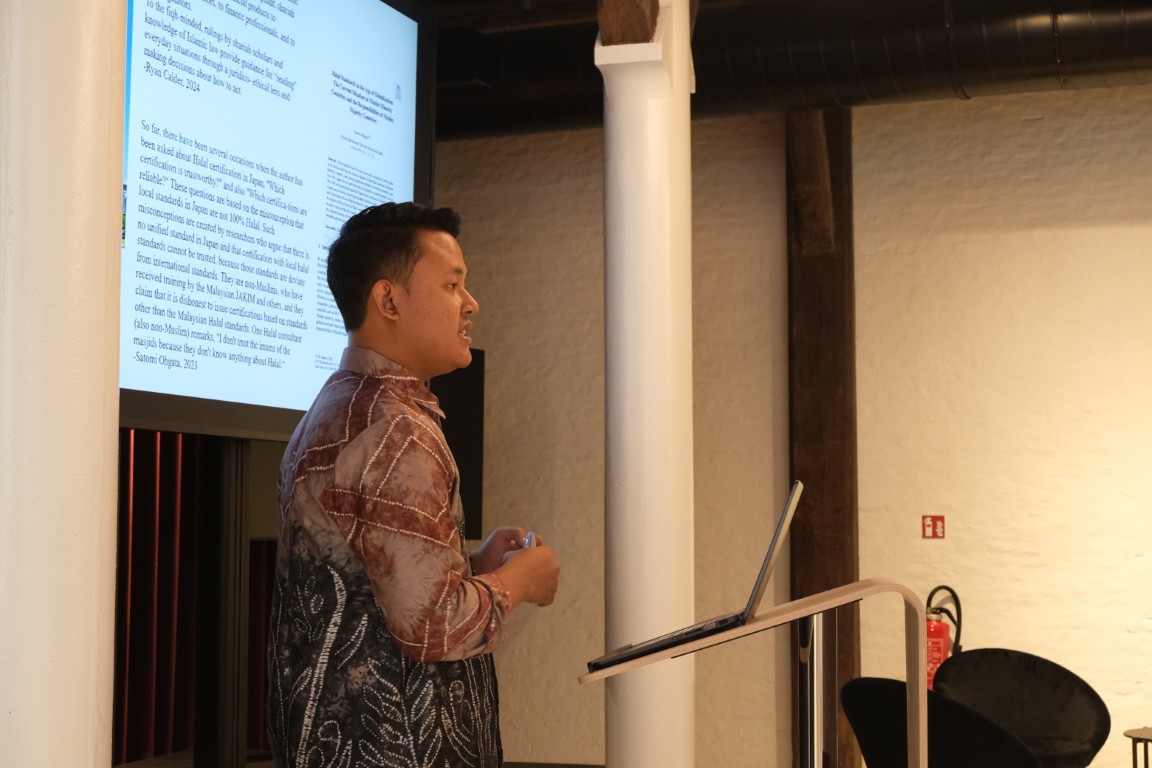
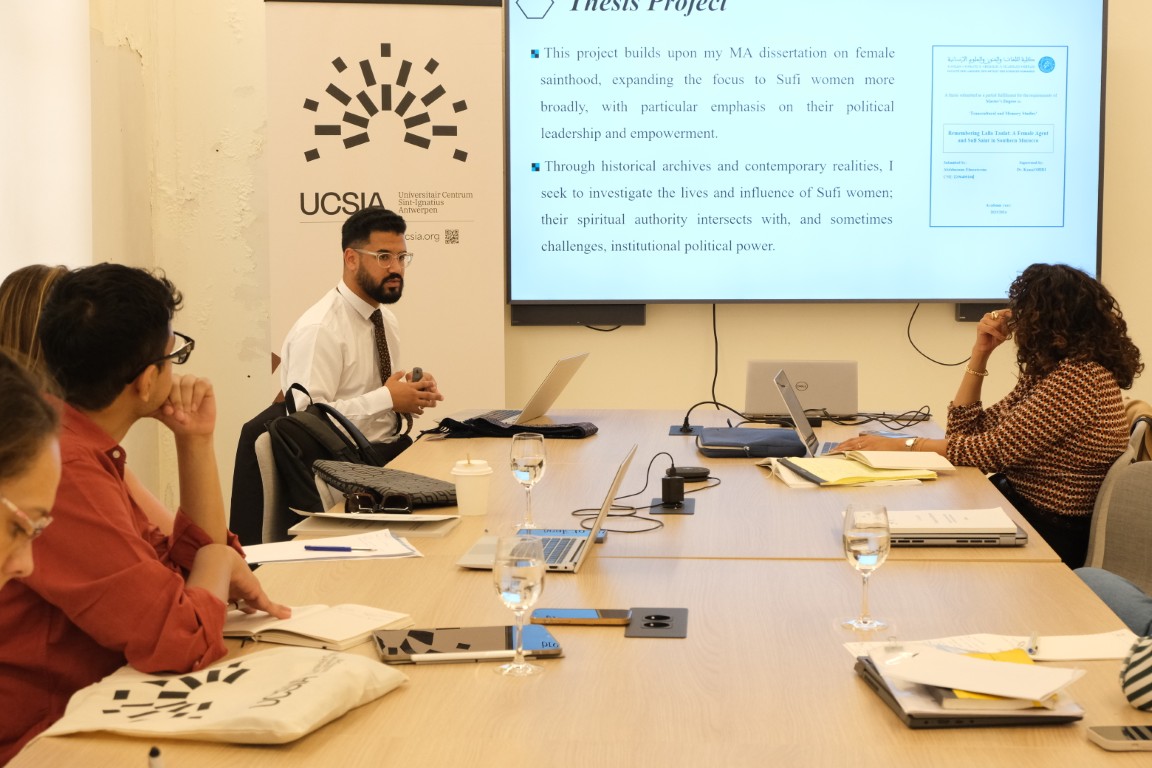
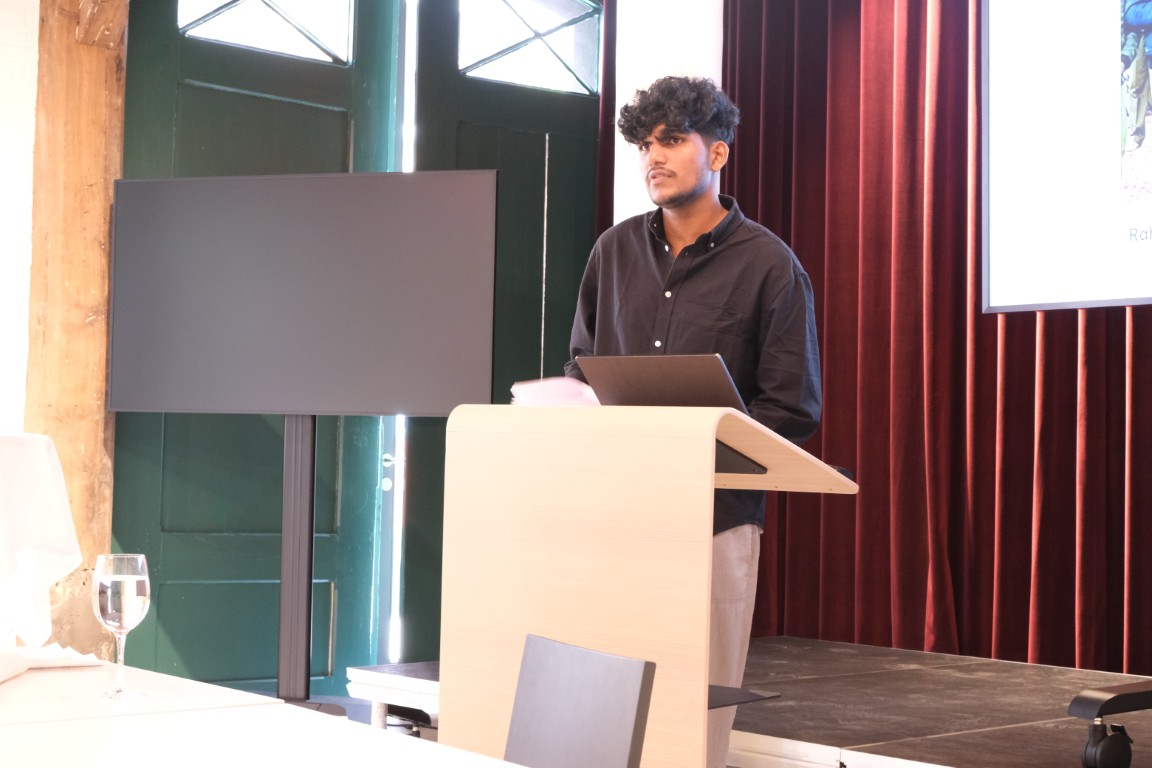
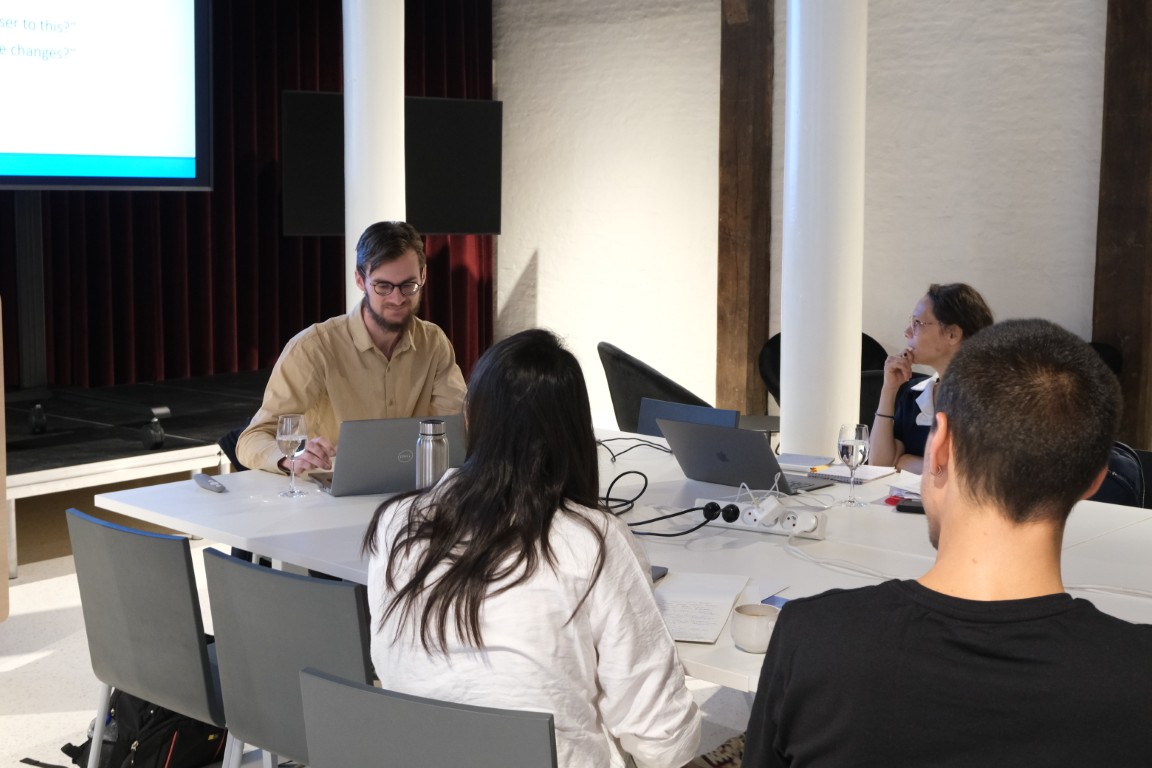
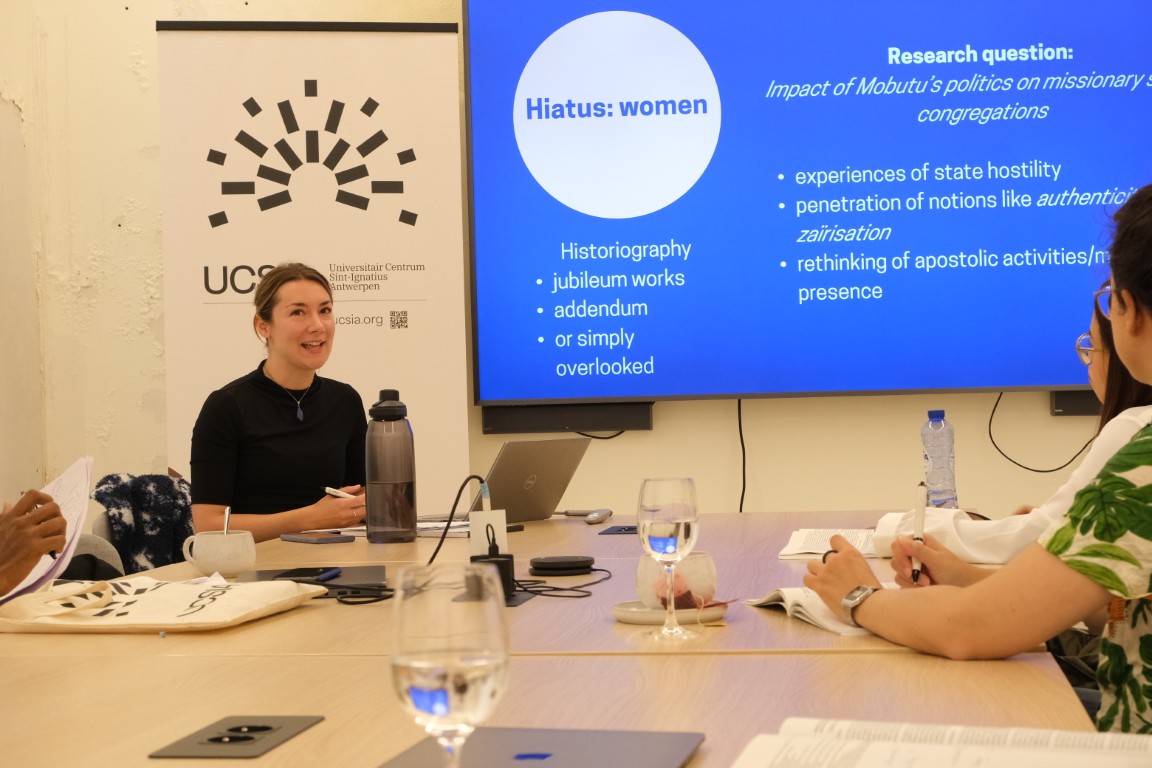
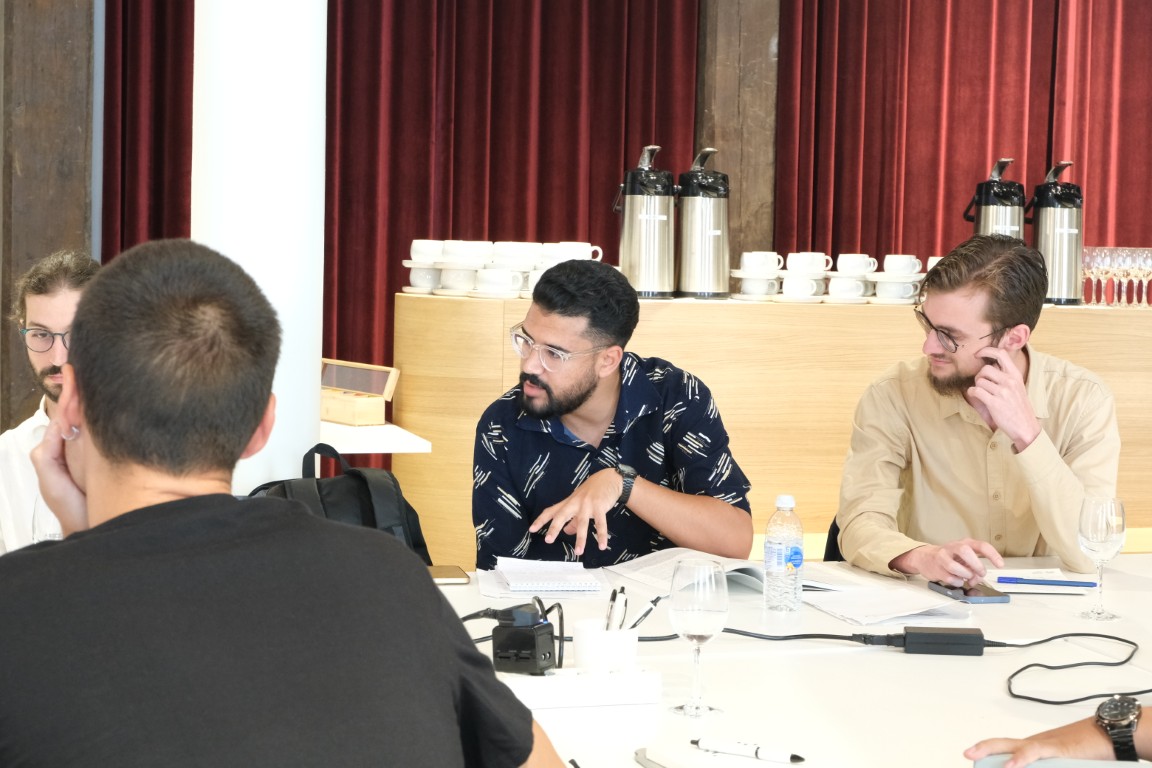
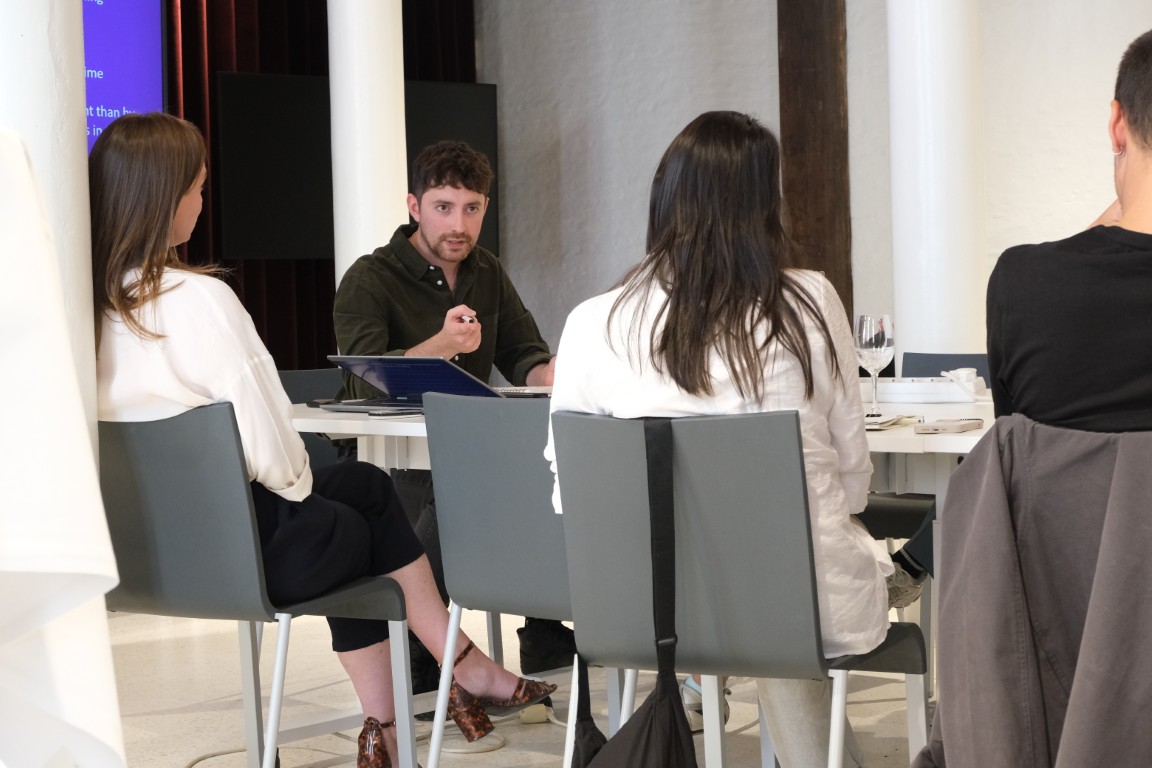
A central component of the summer school was the parallel paper sessions. In small, tutor-led groups, participants presented and discussed their research projects in depth. Each session combined paper presentations with extensive feedback and collective discussion, encouraging close engagement across disciplines and research stages.
Active participation was a key element of these sessions, with students preparing by reading each other’s work in advance and serving as respondents during peer presentations.
The following research papers were presented and discussed during the UCSIA Summer School 2025:
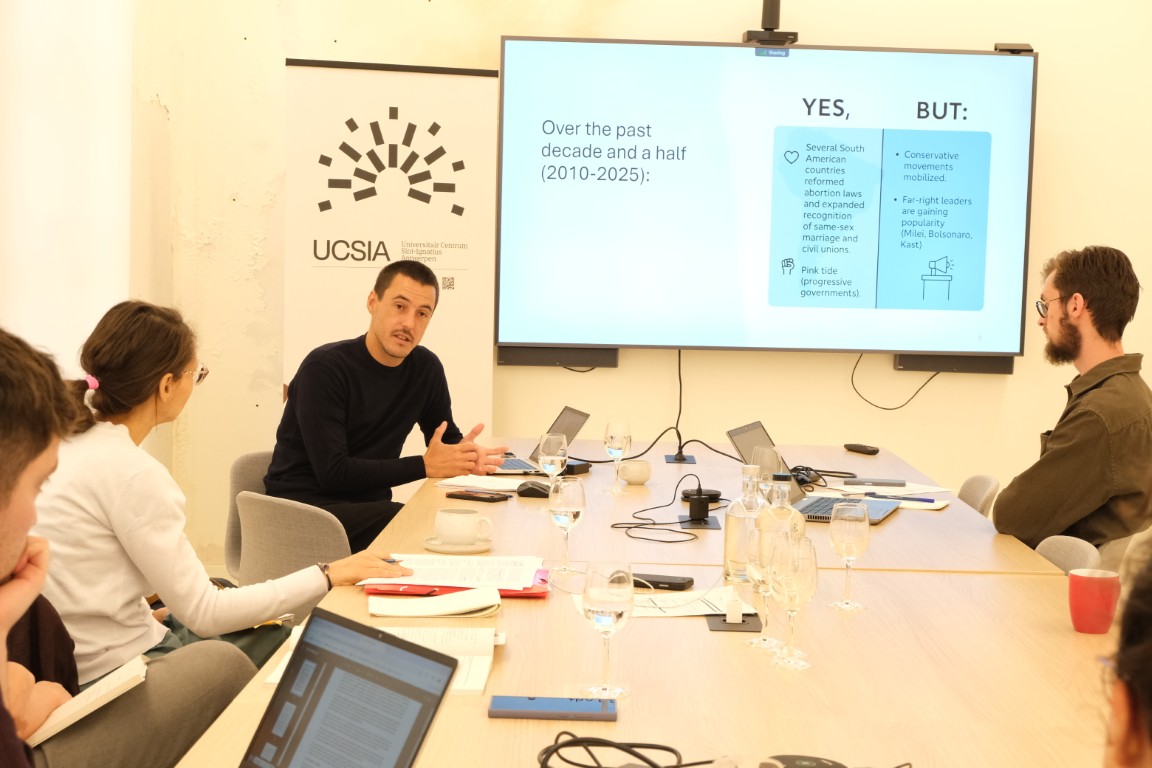
- Attitudes Towards Abortion, Sexual Diversity, and Gender Identity Amidst the Moral Dispute in South America – Martin Couto (Universitat Autònoma de Barcelona)
- Deviant Divinities: The Performative Theologies of Progressive Christian Publics in the Philippines – Junesse Crisostomo (National University of Singapore)
- Godfluencers: The Christian Influencers Redefining Truth Through Digital Media and Moral Authority – Gabriela de la Vega (Erasmus University Rotterdam)
- The Transcendental Conditions of Interreligious Dialogue Between Tolerance and the Recognition of the Other – Nicolò Di Dio (University of Modena and Reggio Emilia)
- Halal For Sale: Sharia Inquiry, Market Forces, and State Business in Contemporary Indonesia – Arisy Abror Dzukroni (UIN Walisongo Semarang)
- Sufi Women and Political Leadership: Historical and Contemporary Empowerment in Morocco – Elmoutassim Abdelmonim (Ibn Zohr University)
- Gender, Race, and Epistemic Privilege in an Anti-Clerical Dictatorship: Mobutu’s Politics of Authenticité and the Roman Catholic Church in Zaire – Mick Feyaerts (KU Leuven)
- The Pedagogy of Anticaste Thought: Mangoo Ram Mugowalia (1886–1980), Ad Dharm and Ravidassia – Prashant Kumar (Indian Institute of Technology, Delhi)
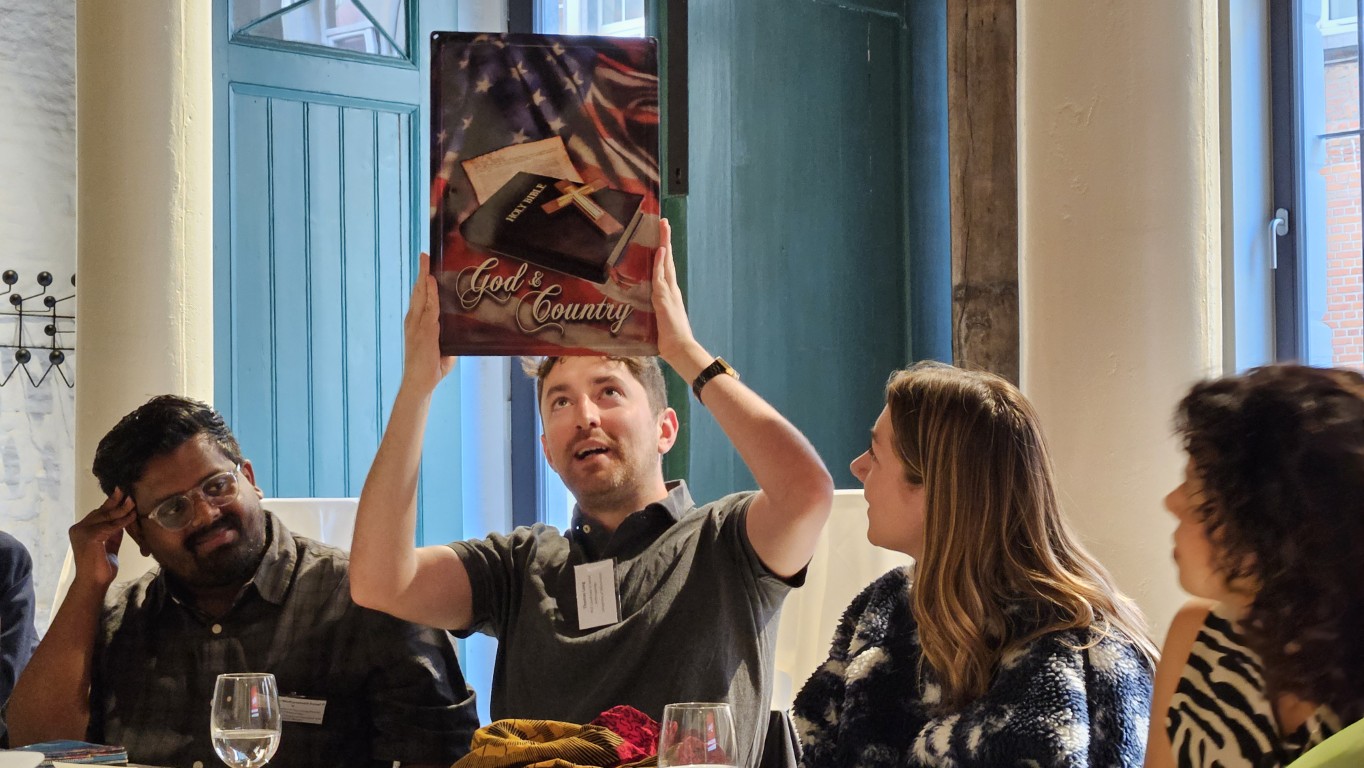
- ‘Our Lord Is Not Woke’: Fracture, Politicisation and Baptists in Texas – Thomas Long (University of Manchester)
- A Common Becoming? Ambedkar’s Resocialisation and the Question of Community – Pratishtha Maurya (Indian Institute of Technology, Delhi)
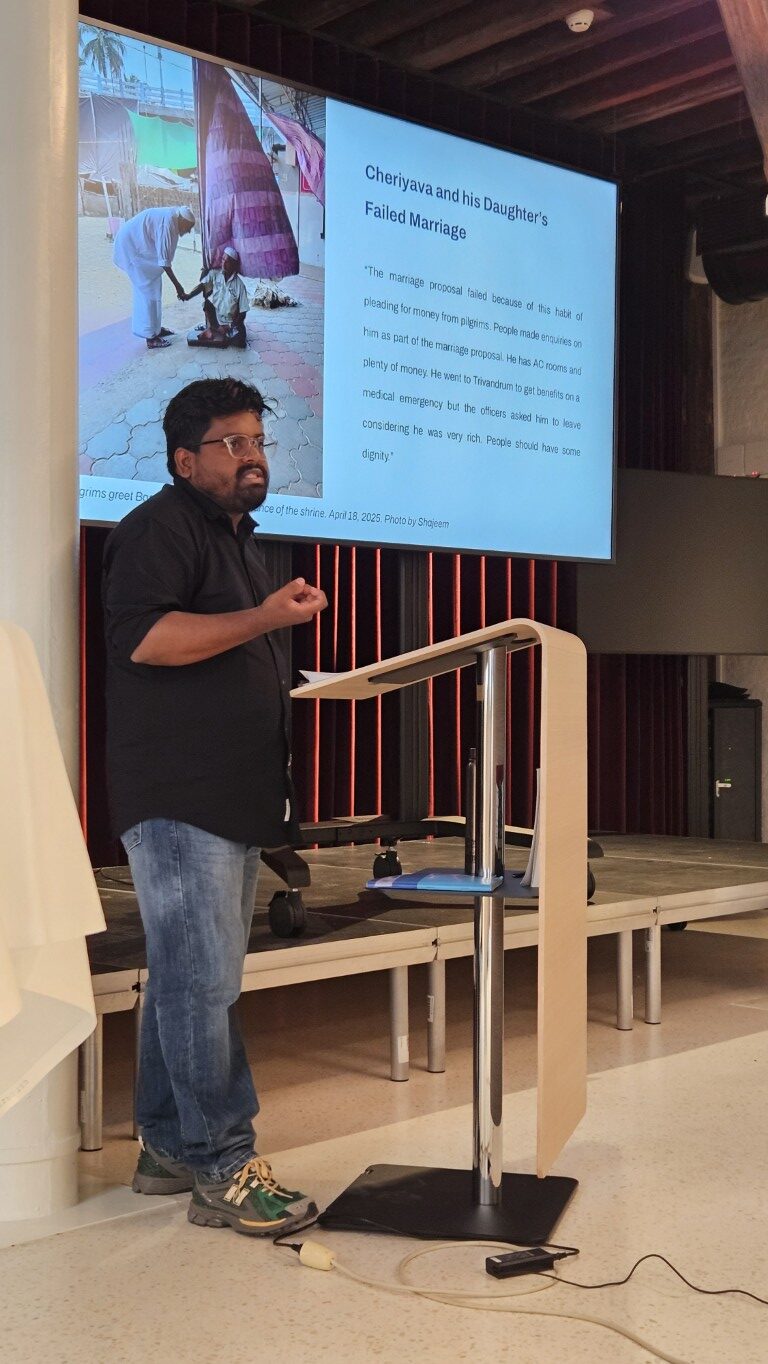
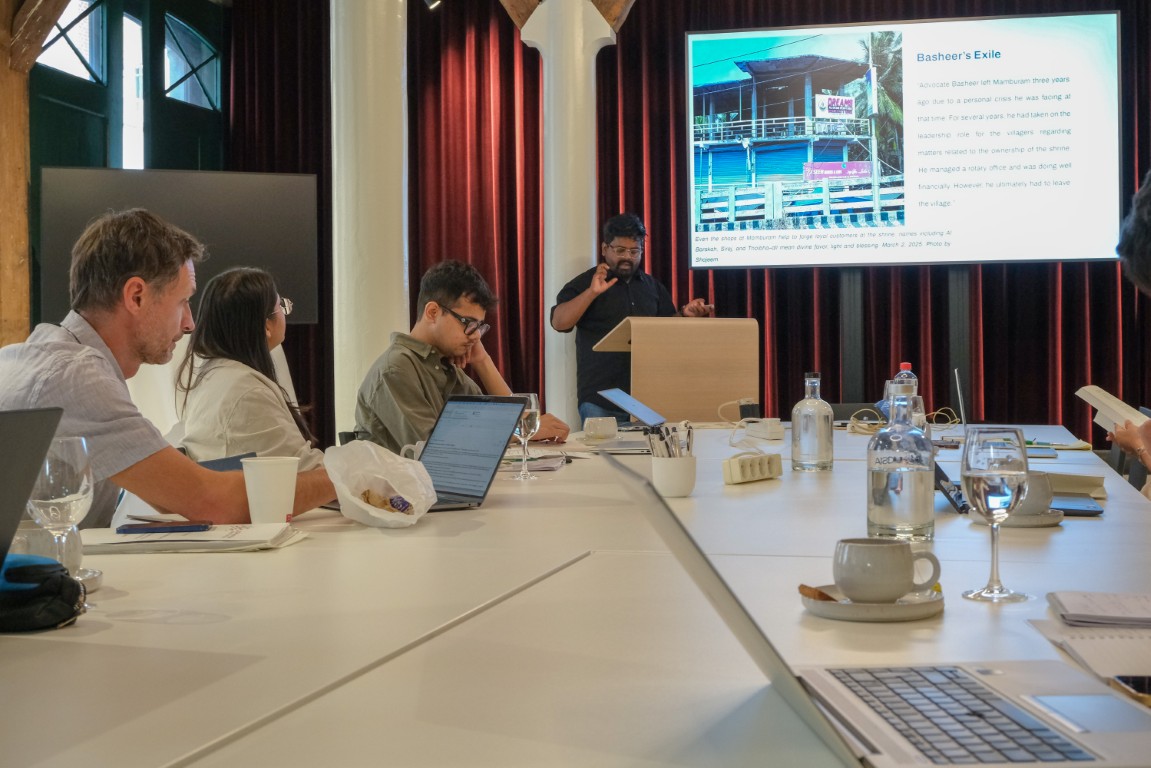
- Moral Life of Barkathkedu – Shajeem Muhammed Fazal P V (Indian Institute of Science Education and Research, Bhopal)
- Faith and Votes: The Politicization of Religious Figures in Kerala’s Political Landscape – Shaheel Muhammad T (University of Hyderabad)
- Between Words and Deeds: Religious-Political Citizenship in FBOs Beyond Binary Approaches and the Ethical Self-Formation Frame – Dries Ver Elst (University of Antwerp)
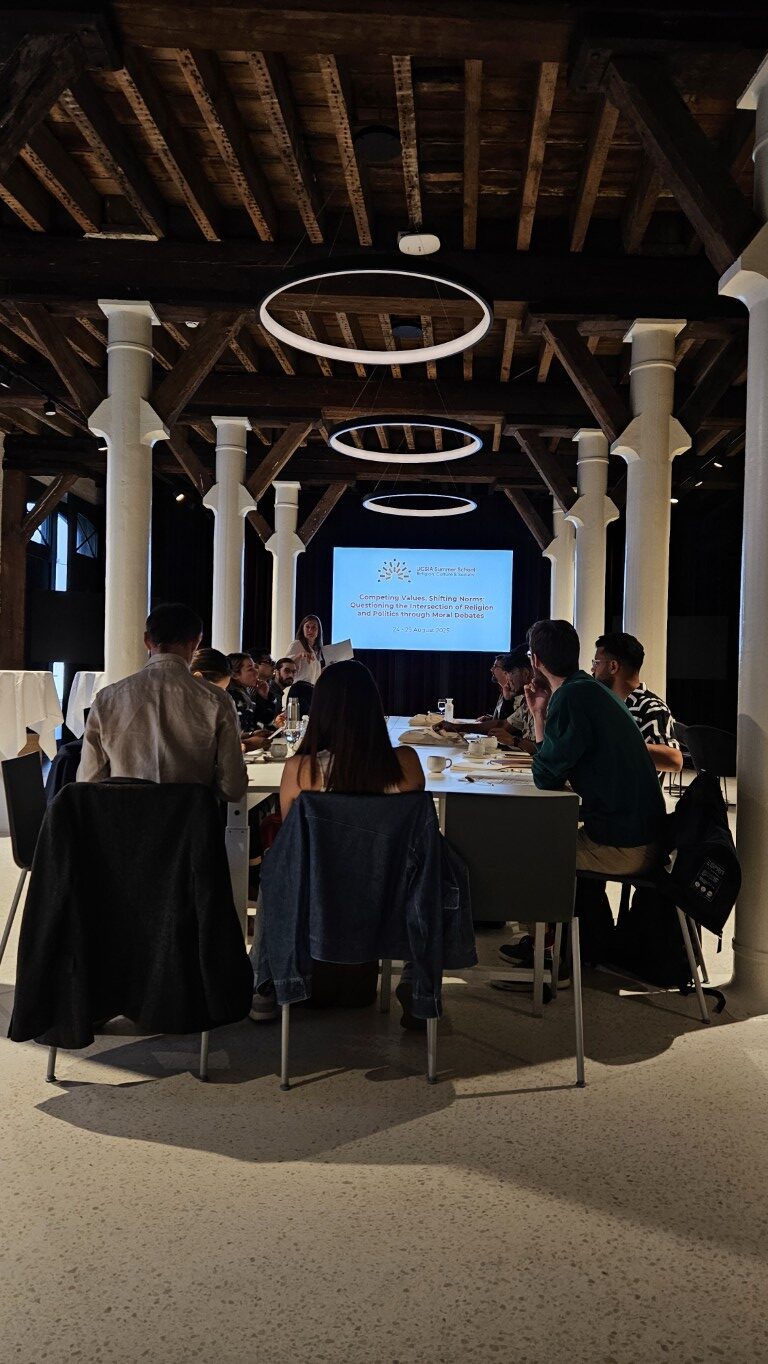
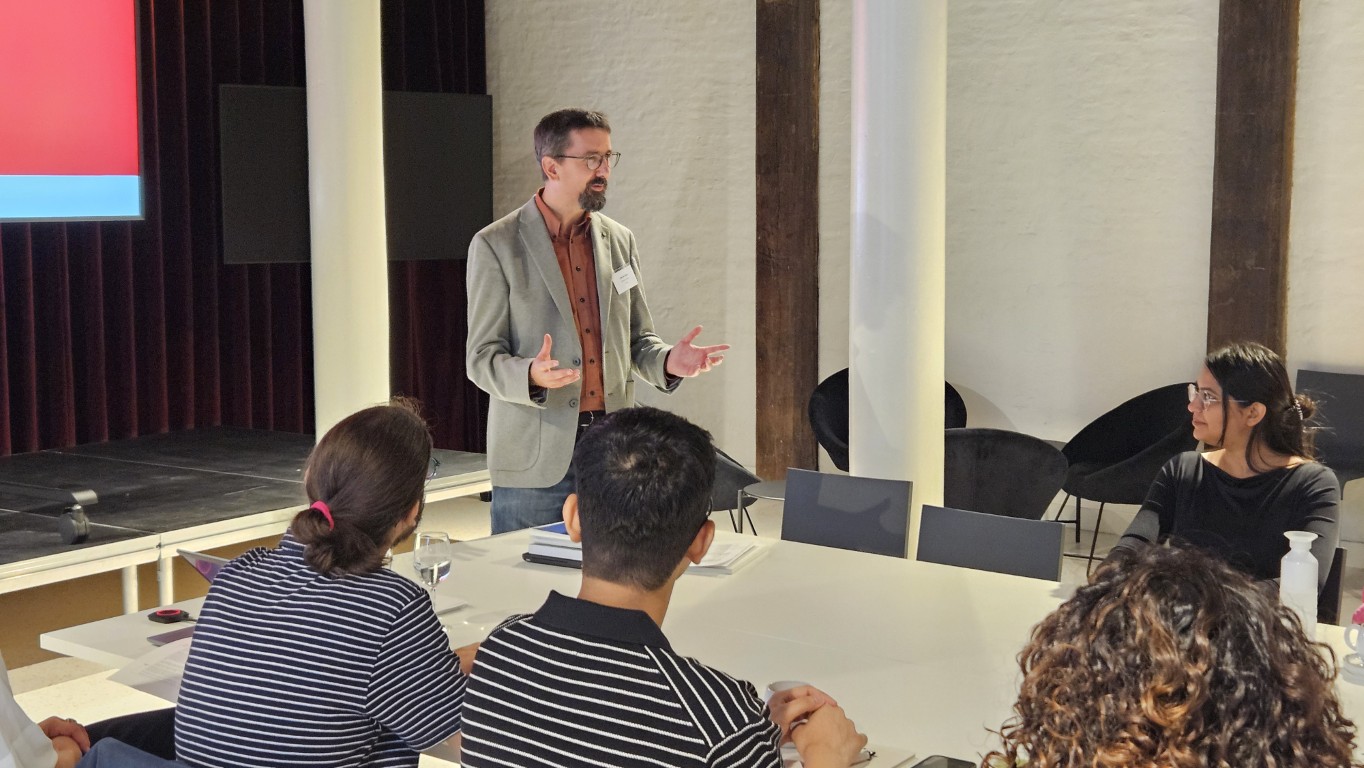
Impressions of the UCSIA Summer School 2025