UCSIA Summer School 2022
28 August – 3 September 2022
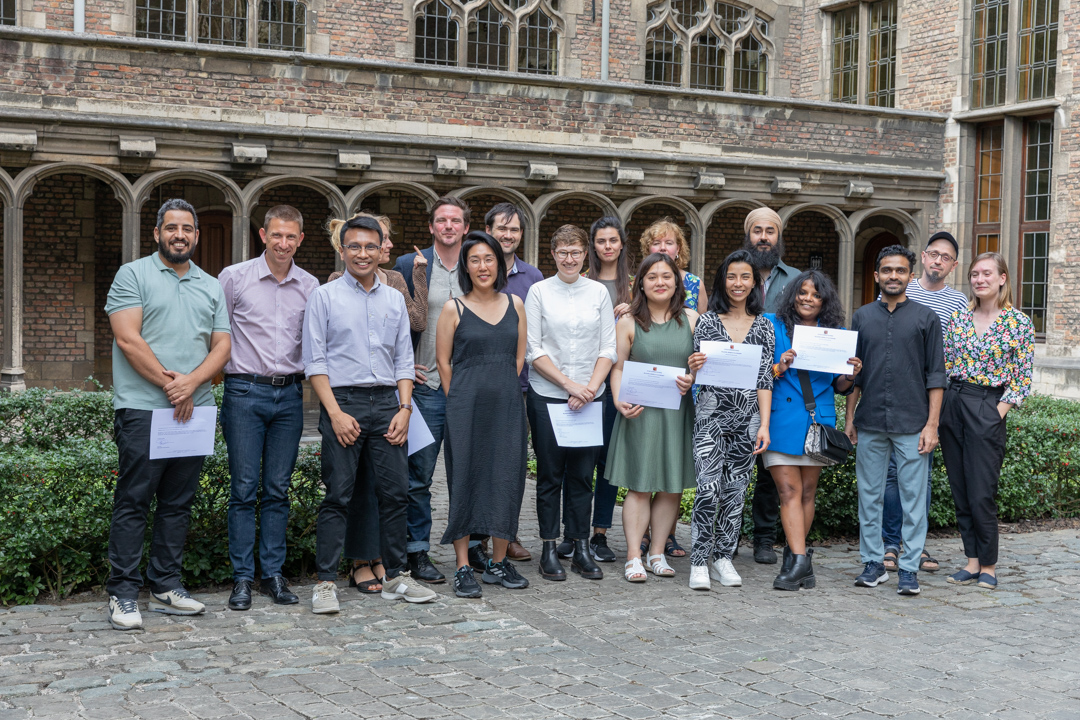
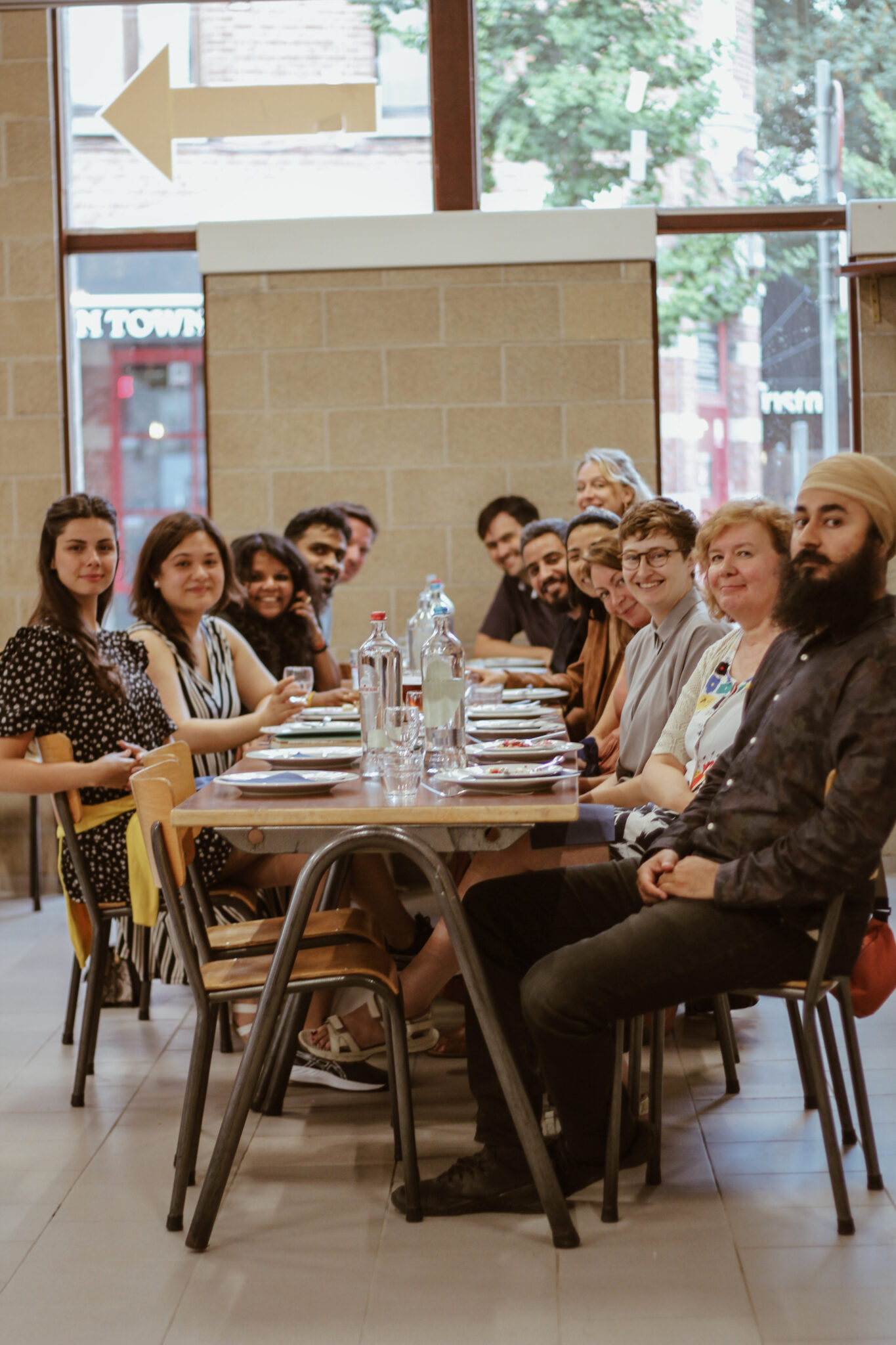
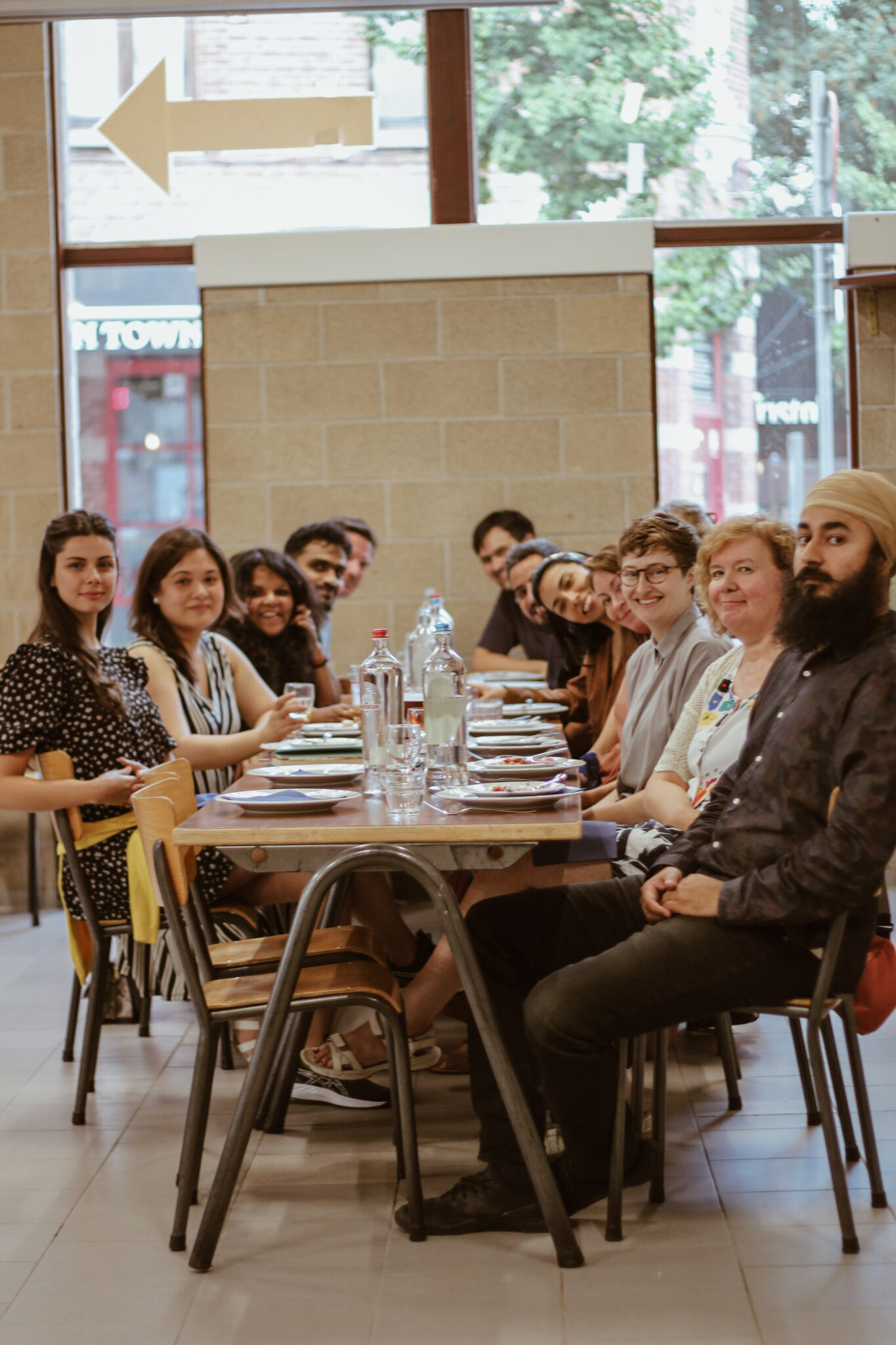
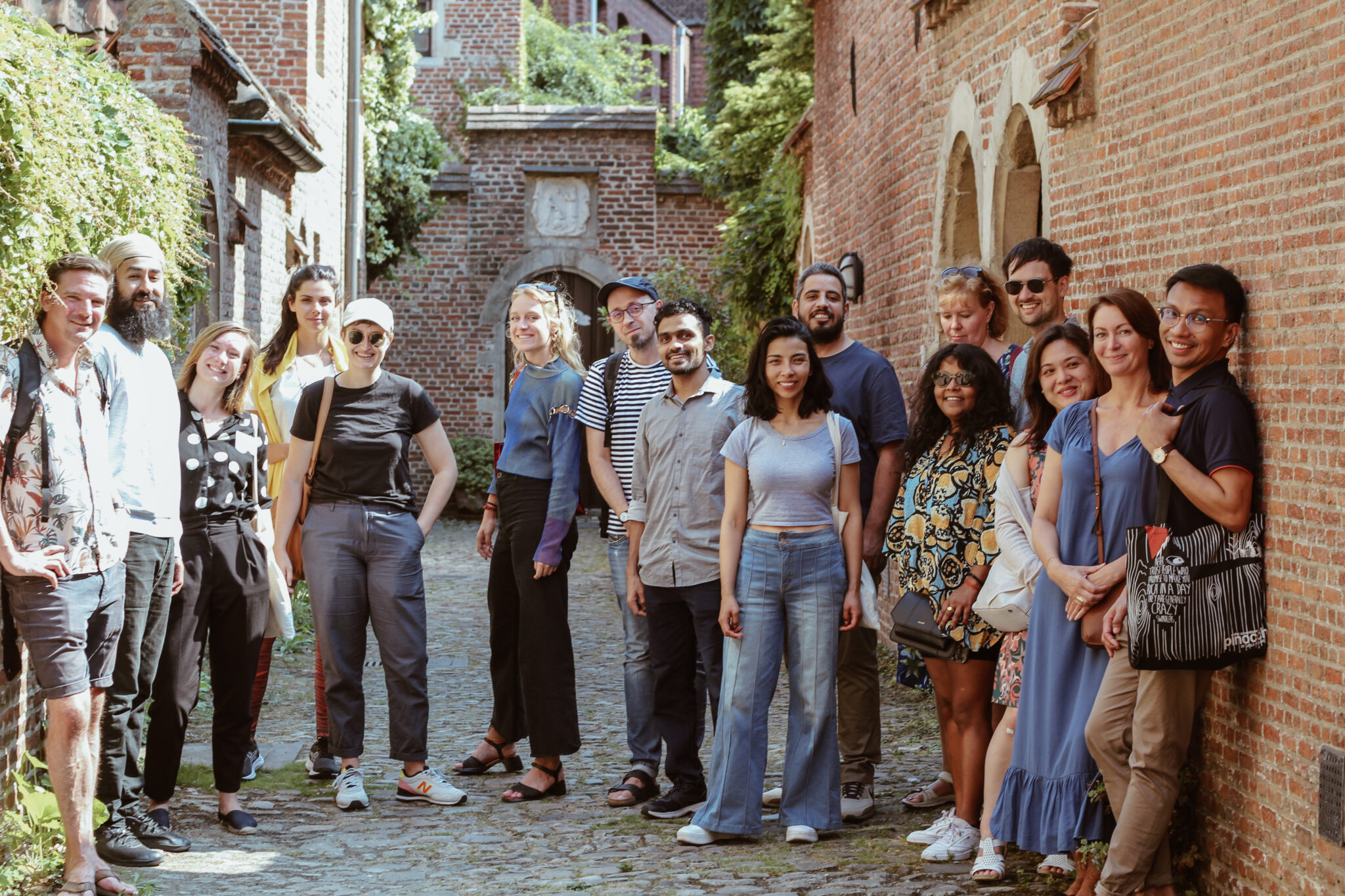
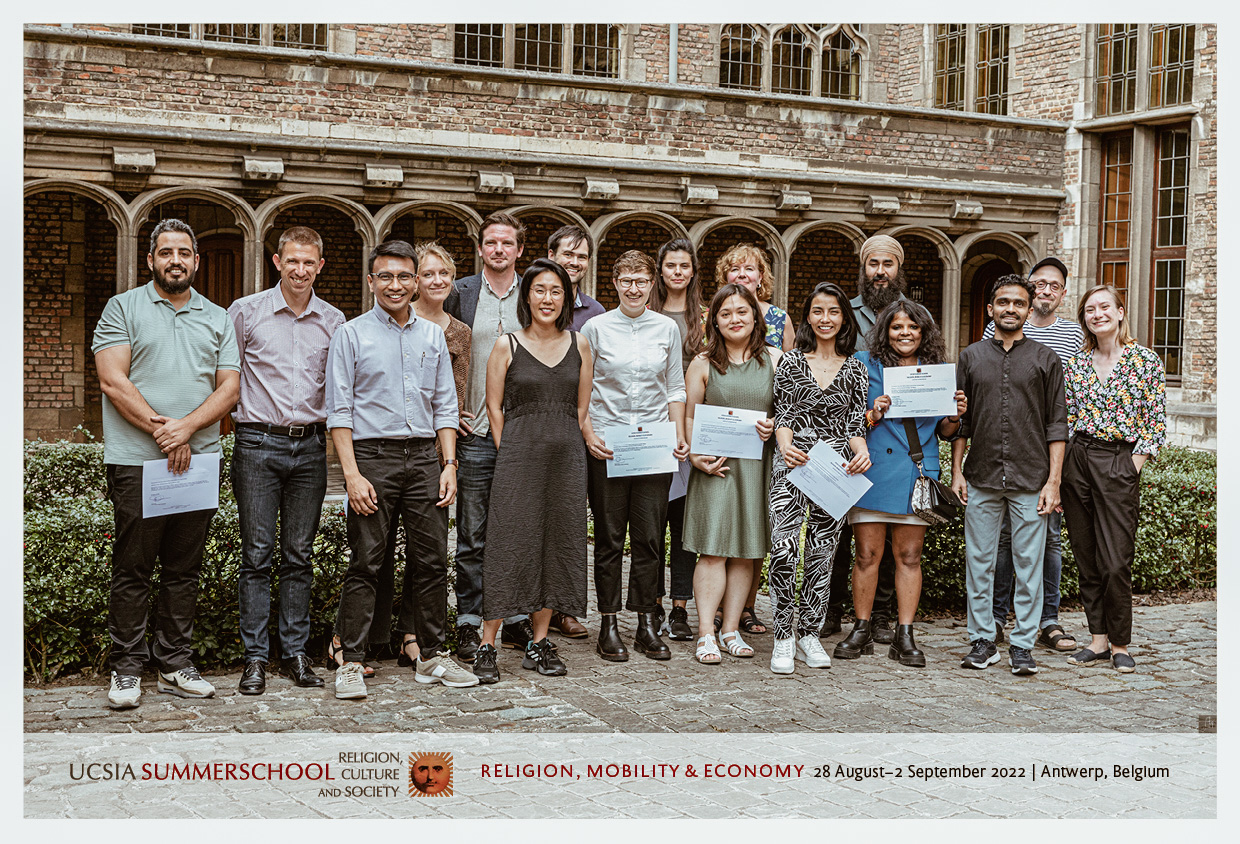
From left to right, second row: Lise Dheedene, Thomas White, Justin Haruyama, Iffet Piraye Yuce, Iris Kivimäki, Randeep Hothi, David Henig
From left to right, first row: Adam Al Afensh, Stijn Latré, Jayeel Cornelio, Angie Heo, Britt Dawson, Jamina Vesta Jugo, Camila Contreras, Shilpi Pandey, Yoonus Kozhisseri, Gilke Gunst
Missing from the picture: Gregory Amoah, Maja Balle, Rathiulung Elias KC
© Frederik Hulstaert
theme
Religion, Mobility and Economics
Mobility has long defined religious traditions and their vital presence in our contemporary world. The 2022 programme focussed on ‘Religion, Mobility & Economy’, the diversity of religions on the move and economic transformation.
(1) What defines a religion and its boundaries? When religions are on the move, where do we locate its forms and expressions (e.g. its theological contents or its material elements)? What characterizes religious transformations like conversions, revivals, or disavowals of religion?
(2) What is the relationship between religious mobility and economic transformation? What institutions, secular and spiritual alike, shape the migration and circulation of religions? How do the sacred geographies associated with traditions intersect with neoliberalism, marketization, and globalization?
(3) What are the global, transnational, and transregional aspects of religion? How do flows of capital and labour, as well as older routes of trade, shape religious growth and decline? What influences do these flows have on religious beliefs and practices? What histories of colonialism and/or socialism impact the ways religions disseminate and relocate?
(4) How does theology engage economic transformations? Do religious responses matter in times of economic growth? Or are they relevant only in times of crisis? What theological reflections accompany the crises of mobility in the (post-)pandemic period?
Faculty
Jayeel Serrano Cornelio is Associate Professor and Director of the Development Studies Program at the Ateneo de Manila University.
David Henig is Associate Professor at the Department of Cultural Anthropology, Utrecht University.
Angie Heo is Assistant Professor of Anthropology and Sociology of Religion at Divinity School, University of Chicago.
Jayeel Cornelio
David Henig

Angie Heo
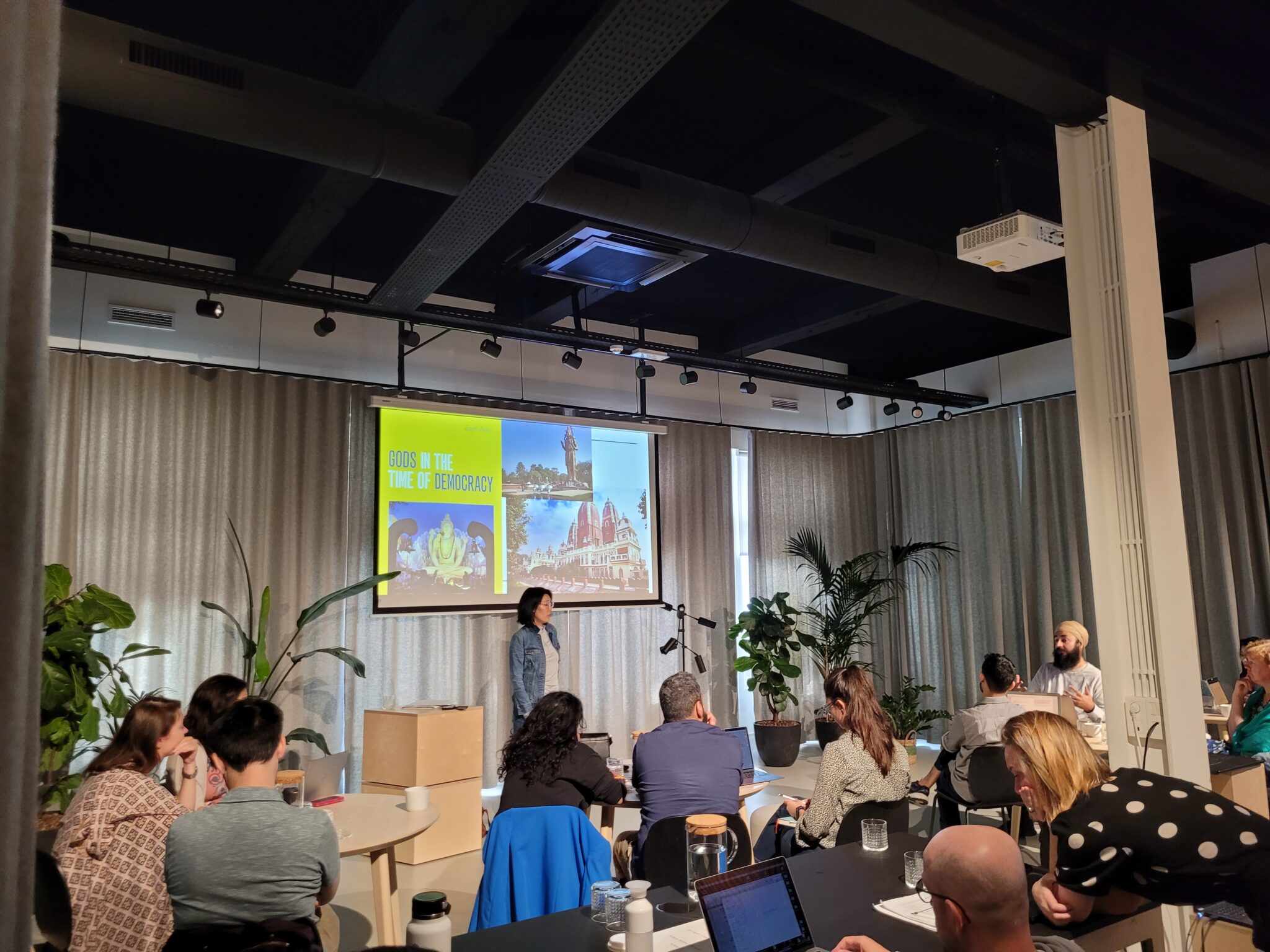
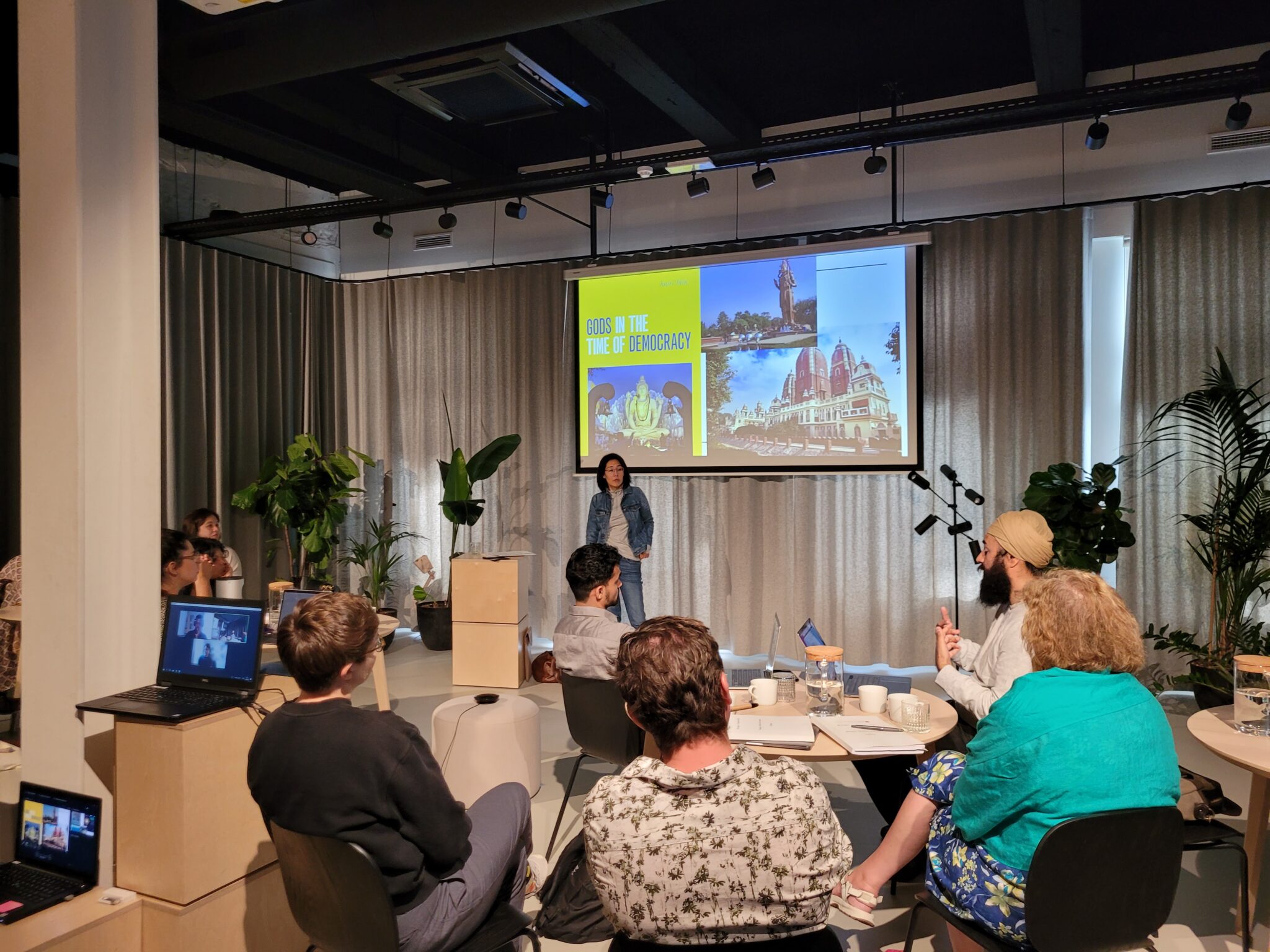
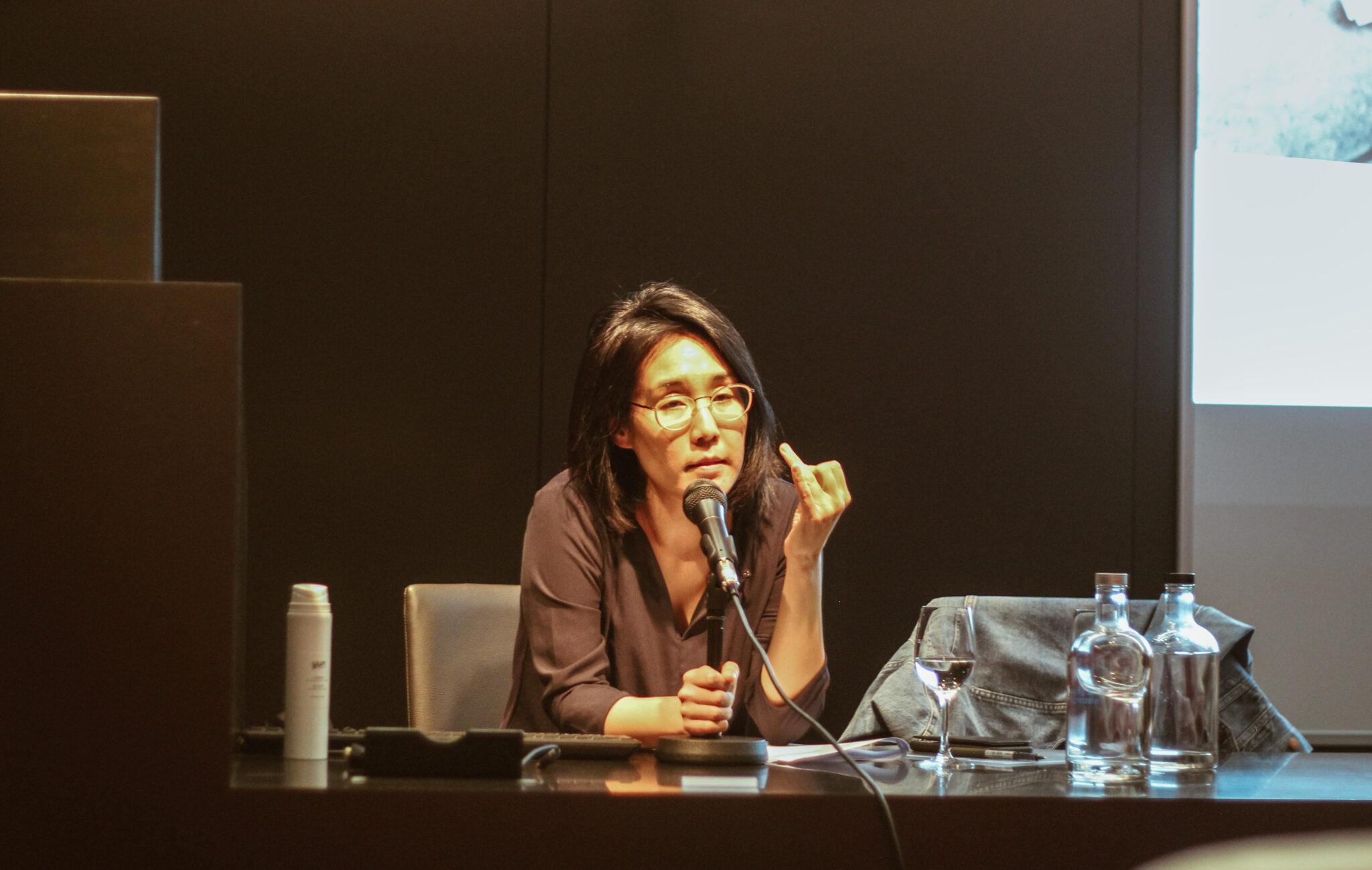
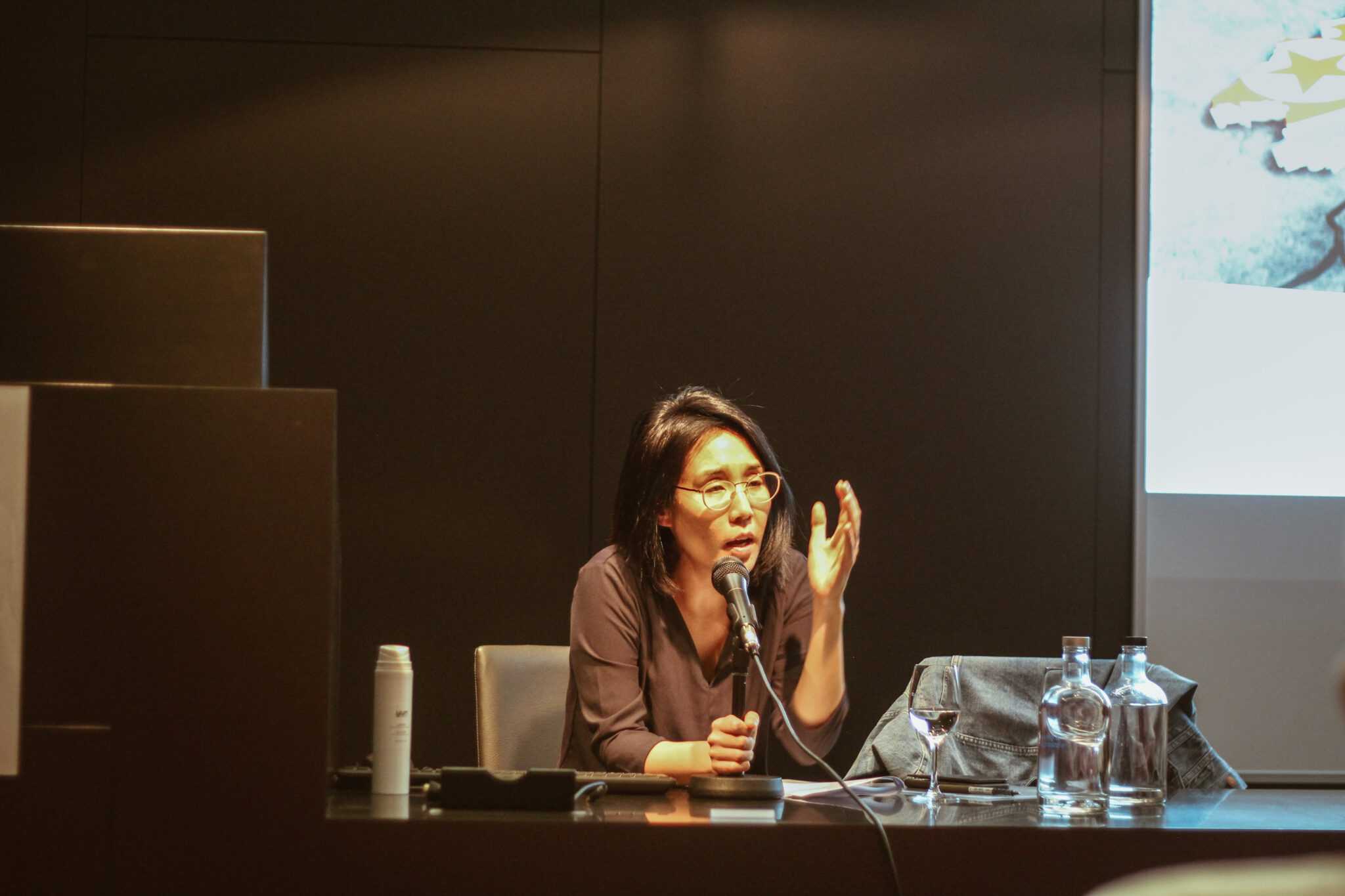
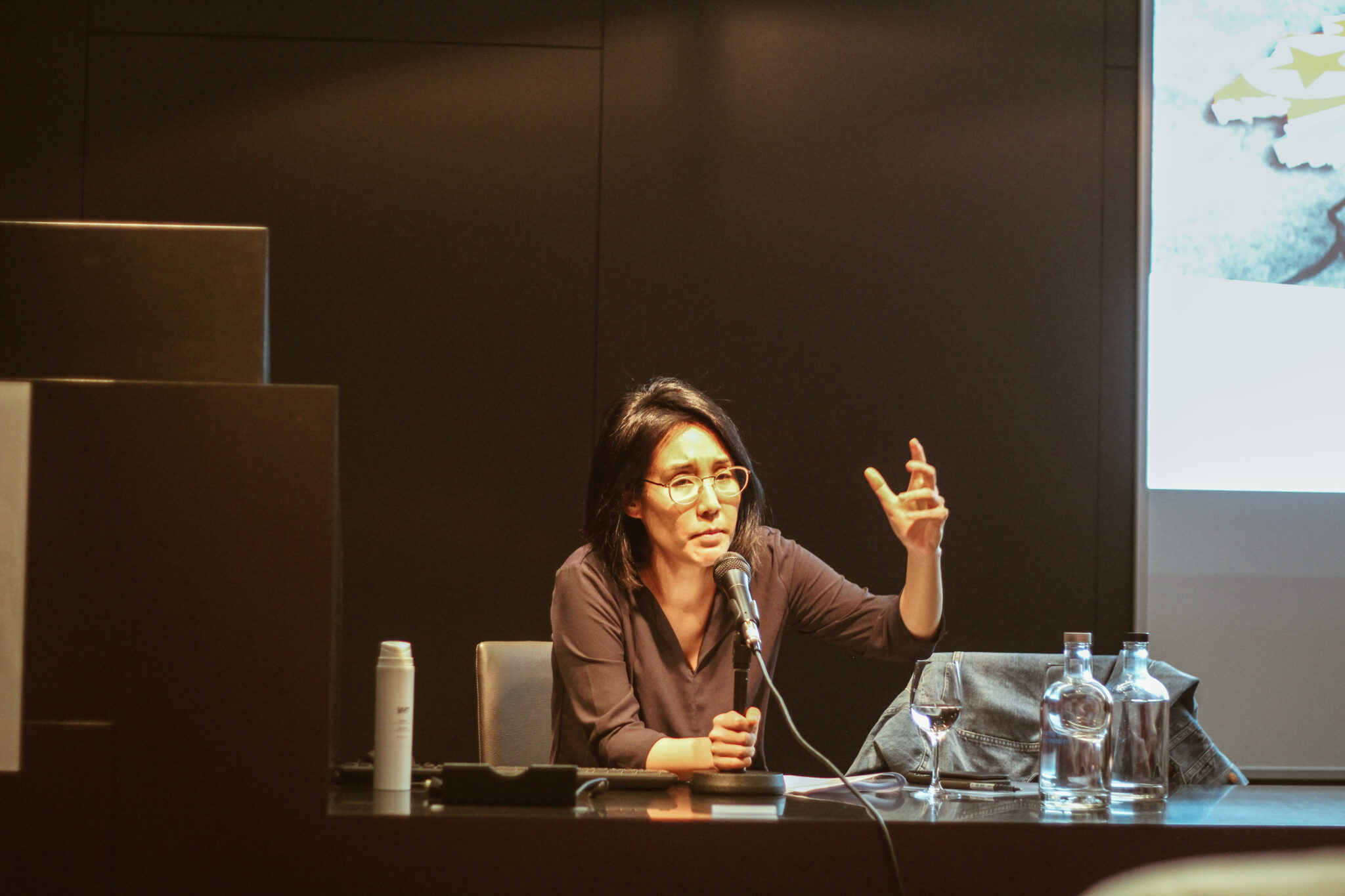
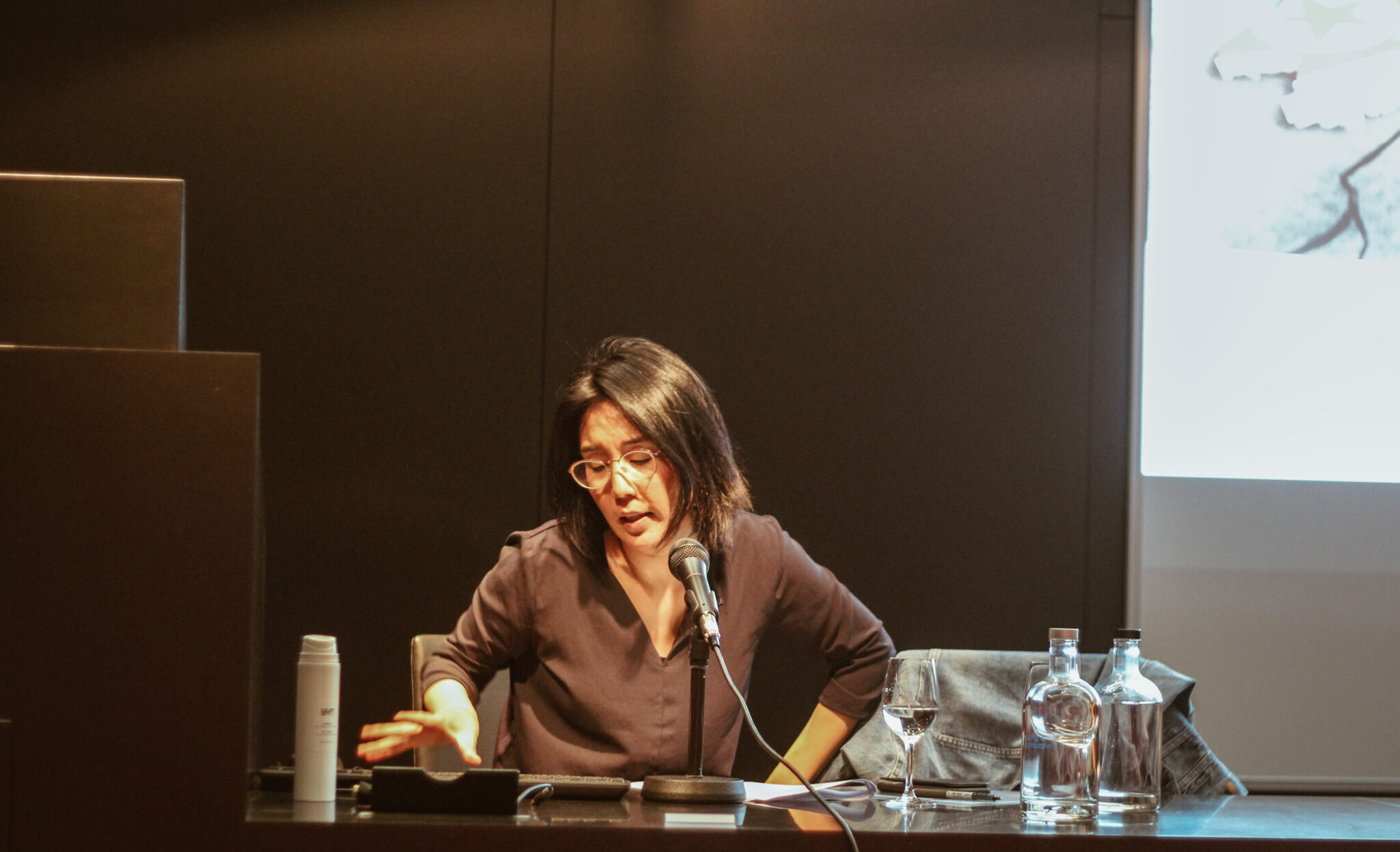
Public lecture – Missionaries and Refugees: Figures of Religion and Mobility from the Divided Koreas
In the past year, the Russia-Ukraine war resulted in the violent displacement of millions in search of asylum in neighboring countries. By violating Ukraine’s territorial borders, the Russian invasion invoked the prospect of a new Cold War threatening to divide Europe. For scholars of religion, the war has also prompted critical reflection on the various ways religion creates borders and enables movement in times of crisis and division.
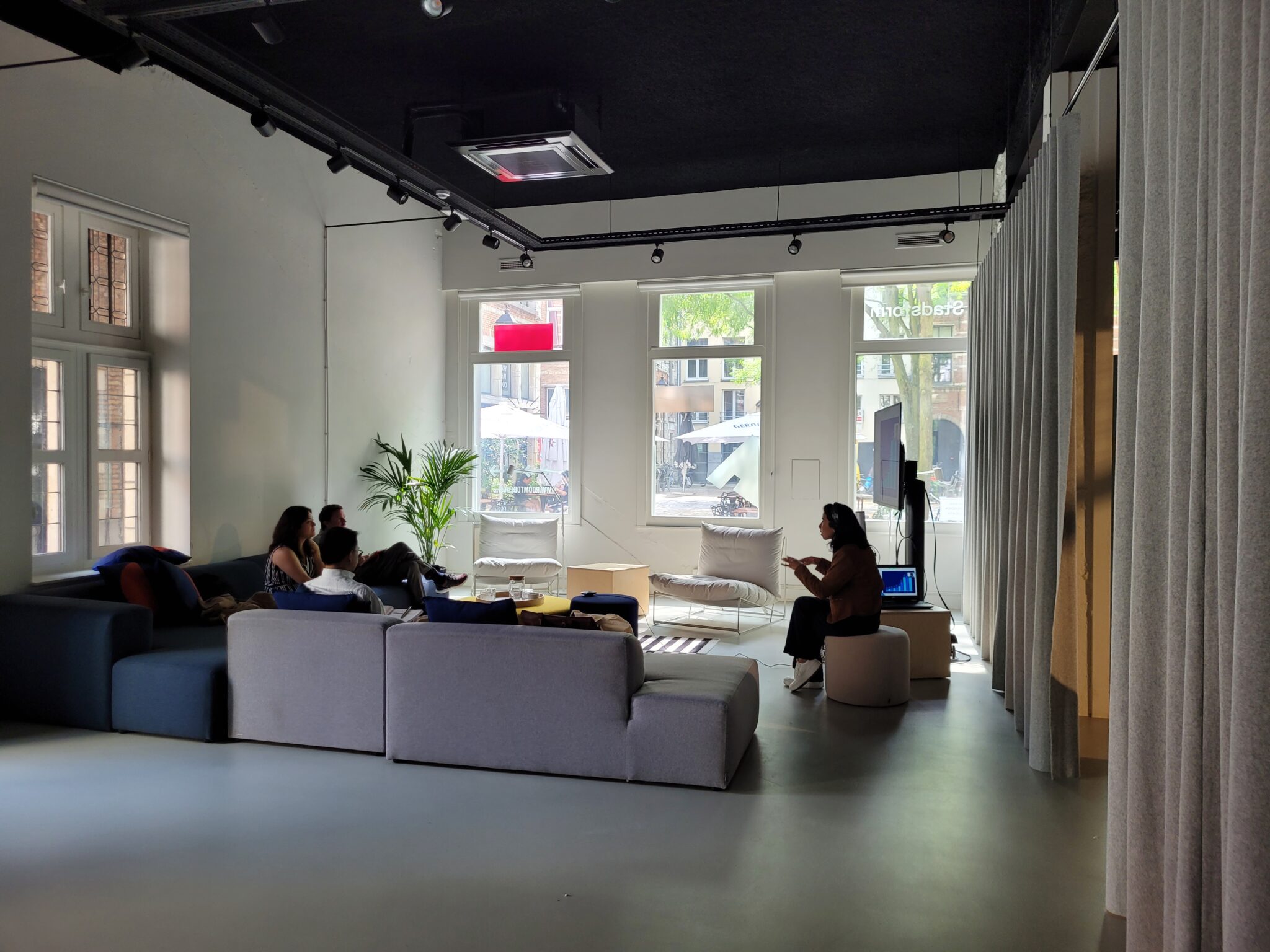
In this talk, professor Angie Heo (University of Chicago, Divinity School) turned to the divided Koreas where missionaries and refugees feature as figures of mobility in a unique, geopolitical zone where the old Cold War never really ended. She considered controversial questions raised by South Korean missionaries to the North, namely mainline ecumenists and conservative evangelicals, around the nature of religious freedom and faith: Are the churches in North Korea “real” or “fake”? Is it possible for communists to be Christians?
Extending these debates to North Korean refugees to the South, she further considered the implications of equating refugees to “defectors” in religious and political circles alike. What norms of freedom and citizenship are entailed in moral ideologies of crossing into South Korea? Does an authentic religious conversion require political defection, and for whom? By tracing these entwined discourses of mission and asylum, she examined how contending notions of conversion are at play in the Cold War politics of religion and mobility.
Presented Papers
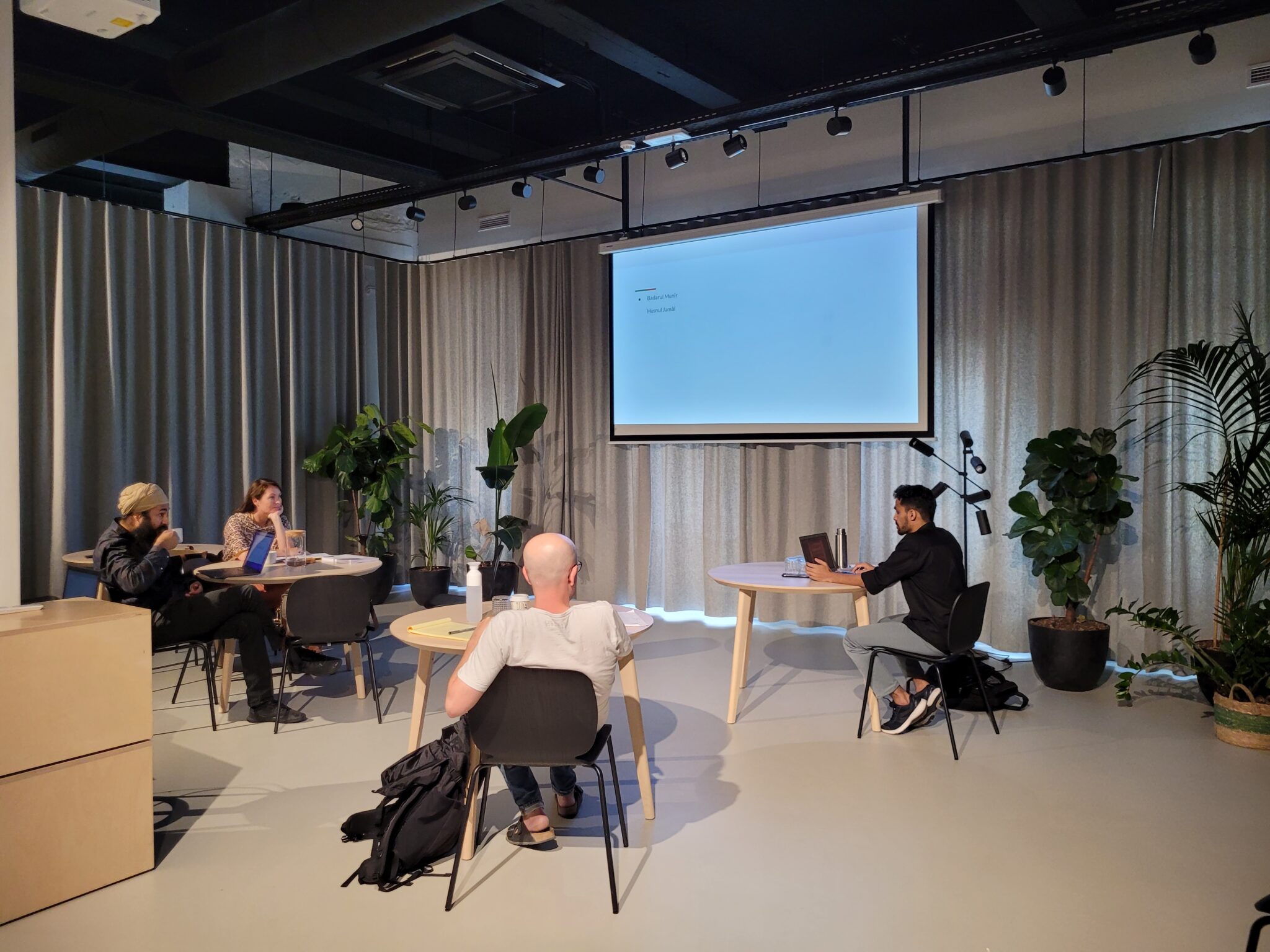
A central component of the summer school are the parallel paper sessions. In small, tutor-led groups, participants presented and discussed their research projects in depth. Each session combined paper presentations with extensive feedback and collective discussion, encouraging close engagement across disciplines and research stages.
Active participation was a key element of these sessions, with students preparing by reading each other’s work in advance and serving as respondents during peer presentations.
The following research papers were presented and discussed during the UCSIA Summer School 2022:
- The Costs of Unemployment: How Labor Market Downturns Influence Discrimination Against Religious Minorities – Adam Al Afenish (Bar-Ilan University)
- All Aboard the ‘Islamophobic’ Bus and Liberal Visions of Civility in Ghana: a View from Twittersphere – Gregory Amoah (University of Edinburgh)
- Hispanic Catholics and the Emergence of New Ritual Practices in Denmark – Maja Balle (Roskilde University)
- Integration of New Migrants in Chile: Hatians in Pentecostal Church Communities – Camila Contreras (Pontifical Catholic University of Chile)
- La Frontrera Islamica: Building Religious Community at the U.S.-Mexico Border – Britt Dawson (University of California, Berkeley)
- ‘Stretched’ Postsecular Rapprochement: Emerging Evangelical Solidarities in a Local Flemish Welfare Regime – Lise Dheedene (University of Antwerp)
- History Written in Advance: Christian Prophecy, Chinese-Zambian Relations, and Diffracted Modernity – Justin Haruyama (University of California, Davis)
- Sikhism Will Be Televised: Race, Religion, and Recognition in the Production of Transnational Media Cultures – Randeep Singh Hothi (University of Michigan)
- The Vatican Speaks IO: International Development Concepts in the Holy See’s Section on Migrants and Refugees – Jamina Vesta Jugo (Ateneo de Manila University)
- Visions of Rapture and Progress: Socio-Economic Entanglements in Tribal/Indigenous Christianity of Northeast India – Rathiulung Elias KC (University of Edinburgh)
- What is the Role of Organisational Communication, Advocacy, and Fundraising in Mergers of Church Organisation? Case Study on Increased Cooperation Between the Finnish Seamen’s Church and the Evangelical Lutheran Church of Finland abroad in 2021-2025 – Iris Kivimäki (University of Helsinki)
- Making of a Cosmopolis: Advent of Printing Industry, and New Ways of Aesthetic Affinities and Religious Idioms – Yoonus Kozhisseri (Indian Institute of Technology, Bombay)
- The Impact of Secularism on Socio-Economic Mobility of Minority Women: A Comparative Study of France and India – Shilpi Pandey (VUB)
- Integrating Pacific Research Methodologies with Western Soical Science Research Methods: Quantifying Pentecostalism’s Effect on Fijian Relationality – Thomas White (Leipzig University)
- Boundaries, Compromises and Conflicts: Muslim Women Entrepreneur Identity in Turkey – Iffet Piraye Yuce (University Paris 8)
Impressions of the UCSIA Summer School 2022

















Copyright 2018 UCSIA Summer School